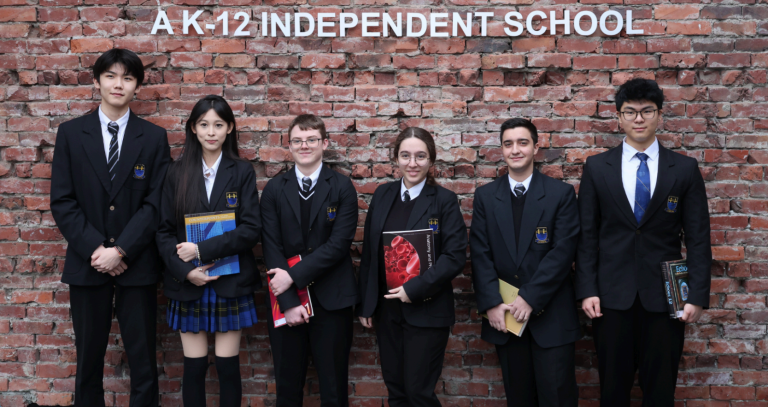
Columbia Academy student leadership grows through real experiences in volunteering, charity, and community service. By helping others, students learn to take responsibility, work as a team, solve problems, and become more confident.
At Columbia Academy, a BC Ministry of Education-certified private K–12 school in downtown Vancouver, leadership is an important part of education. Students are encouraged to grow beyond the classroom through community activities that help them become caring and responsible young adults.
Why Are Volunteering and Charity Important for High School Students?
High school is not only about grades and exams. It is also a time when teenagers learn about themselves and the world around them.
Volunteering gives students a chance to help others while learning useful life skills.
For example, helping at a community event may require students to communicate with visitors, follow instructions, and work with people they have never met.
Through these experiences, students can develop:
- Leadership: Taking initiative and helping others.
- Teamwork: Working together toward a shared goal.
- Communication: Speaking clearly and listening to others.
- Responsibility: Completing tasks and keeping promises.
- Compassion: Understanding and caring about other people’s needs.
- Confidence: Becoming more comfortable in new situations.
The BC Career-Life Connections curriculum recognizes volunteering and community experiences as ways for students to explore their interests and develop skills for life after high school.
These skills are useful in school, university, future careers, and daily life.

How Does Columbia Academy Help Students Build Leadership Skills?
At Columbia Academy, student leadership is developed through opportunities to take part in meaningful activities beyond the classroom.
Volunteering, charity, competitions, and clubs are among the school’s five core pillars of student growth.
Students can participate in more than 40 volunteering, charity, performance, and community events each year.
These activities encourage students to learn by doing.
| Student Activity | Leadership Skills Students Can Develop |
|---|---|
| Community volunteering | Responsibility and teamwork |
| Charity fundraising | Planning and problem-solving |
| Charity performances | Confidence and communication |
| School clubs | Initiative and collaboration |
| Community events | Adaptability and social skills |
| Helping people in need | Compassion and social responsibility |
Learning to Lead Through Experience
Leadership does not always mean being the person in charge.
A student can show leadership by helping a teammate, completing an important task, or noticing when someone needs support.
For example, students volunteering at a large community event may help visitors, work with event organizers, or assist other volunteers.
These tasks may seem small, but they help students learn how their actions can make a difference.
At Columbia Academy, teachers help connect students with volunteering opportunities so they can gain experience in their local community.
What Volunteer Activities Do Columbia Academy Students Join?
Columbia Academy students have participated in many well-known events across Vancouver.
These include:
- Vancouver Marathon
- Vancouver Cherry Blossom Festival
- Vancouver International Children’s Festival
- Vancouver Dragon Boat Festival
- Canada Day celebrations
- Christmas parades
- Local food bank activities
These are examples of events the school has supported over the years. Specific opportunities may change from year to year.
Building Confidence at the Vancouver Marathon
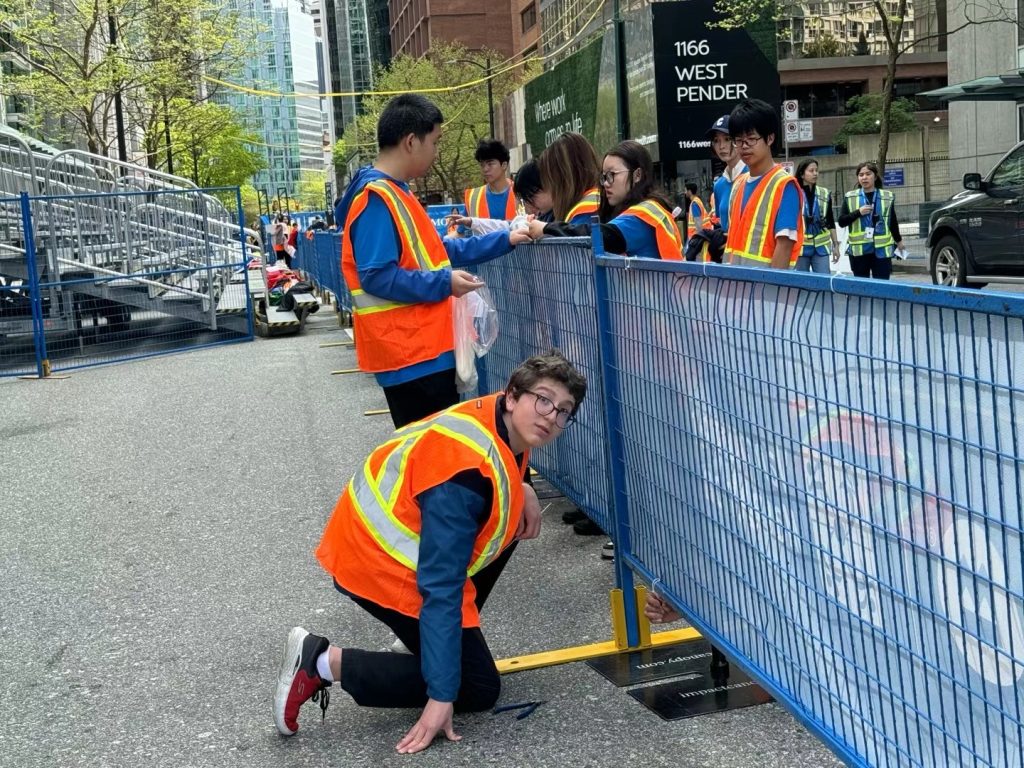
The Vancouver Marathon brings together runners, volunteers, and visitors from different communities.
Columbia Academy students have taken part in volunteering at this event.
Large public events can give students opportunities to practise teamwork, communication, and responsibility.
For example, students may need to listen carefully to instructions, work alongside other volunteers, and adapt when plans change.
Such experiences help young people understand the value of being dependable and working toward a common goal.
Connecting With the Community Through Local Festivals
Columbia Academy students have also volunteered at the Vancouver Cherry Blossom Festival and other cultural events.
These events bring people together and celebrate Vancouver’s diverse community.
For high school students, volunteering at a public festival offers opportunities to meet new people, learn about local culture, and become more comfortable communicating outside the classroom.
This can be especially meaningful for international students who are still adjusting to life in Vancouver.
How Do Charity Activities Teach Students Compassion and Responsibility?
Volunteering often means giving time to help others. Charity activities may also involve raising money, collecting supplies, or supporting people facing difficult situations.
At Columbia Academy, students have opportunities to learn about community needs and contribute to charitable causes.
The school has supported projects such as:
- Food donations to the Greater Vancouver Food Bank
- Fundraising for the Terry Fox Run
- Support for earthquake relief efforts in Turkey
- Fundraising following the Lytton wildfire
- Donations to the Royal Canadian Legion’s Poppy Appeal
- Projects supporting school construction in Uganda
These examples reflect Columbia Academy’s charitable work over the years.
Understanding the Needs of Others
Consider a school food donation project.
Students can learn that some families in their community may struggle to afford enough food.
Collecting donations is one way to help. It also gives students a chance to think about the needs of others and the importance of sharing resources.
Helping others can teach students that leadership is not only about personal achievement. It is also about using their abilities to make a positive difference.
Learning Through Charity Performances
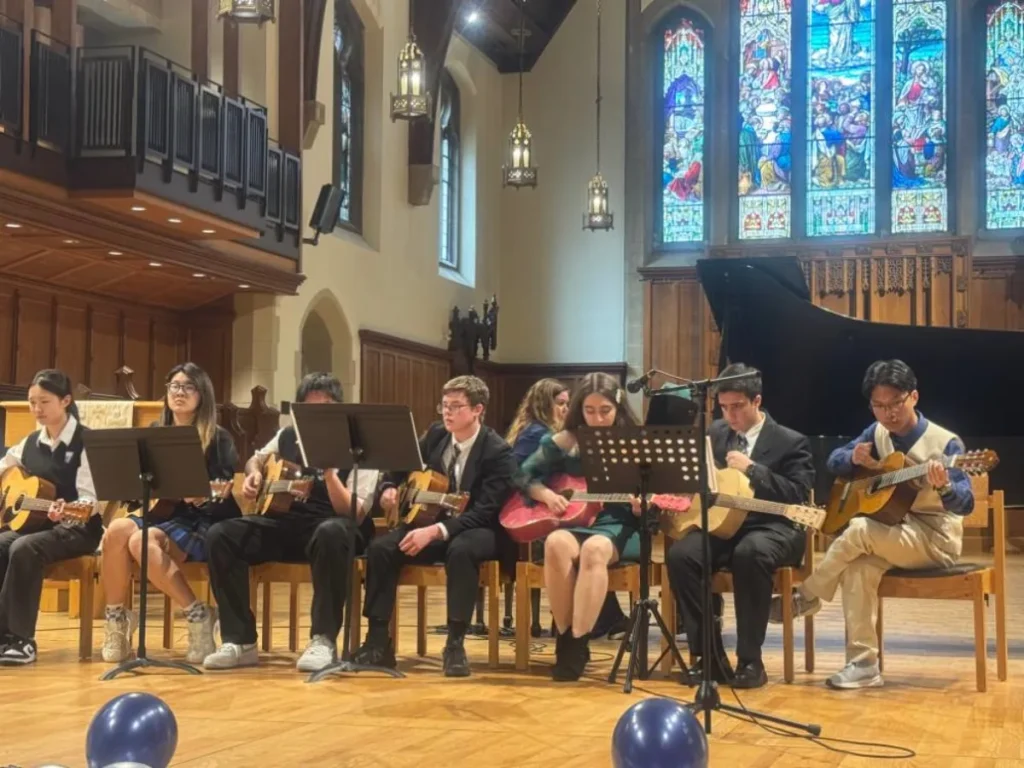
Columbia Academy also offers music, dance, and performance activities connected to charitable causes.
Performing for an audience can help students practise public speaking, teamwork, and confidence.
A student who is nervous on stage may gain confidence through preparation, rehearsal, and encouragement from classmates.
At the same time, students learn that their talents can be used to support a meaningful cause.
How Do Volunteering and Charity Help International Students?
Columbia Academy welcomes both local and international students, with students from more than 20 countries.
For teenagers arriving in Canada, volunteering can be a helpful way to learn about their new community.
Making Friends and Practising English
An international student may feel nervous speaking English outside the classroom.
Taking part in a group volunteering activity can give that student a natural reason to communicate with others.
For example, working with classmates at a community event may involve asking questions, sharing tasks, and speaking with visitors.
These experiences can help students:
- Practise everyday English
- Make friends
- Learn about Canadian community life
- Gain confidence meeting new people
- Develop independence
Volunteering does not replace English language instruction. However, it offers useful opportunities to practise communication in real situations.
Feeling Connected to Vancouver
Joining local events can also help international students feel more connected to the city where they study.
Rather than only travelling between home and school, students have opportunities to experience community life and contribute to local events.
This supports a broader sense of belonging.
For more about social connections and personal growth, parents can explore our article on how private high schools in Vancouver support student well-being.
Can Volunteering Help Students Prepare for University?
Yes. Volunteering can help students develop skills and experiences that may be useful for university applications and future careers.
Some university programs and scholarships consider leadership, community involvement, and personal achievements alongside academic performance.
However, volunteering does not guarantee admission.
Quality Matters More Than Volunteer Hours
Students should not join activities only to collect volunteer hours or add more items to a university application.
Meaningful involvement matters more than having a long list of short activities.
For example, a student who volunteers regularly and takes on greater responsibility may learn more than someone who joins many events without becoming actively involved.
Students can reflect on questions such as:
- What did I contribute?
- What challenges did I face?
- How did I help others?
- What did I learn about teamwork?
- How did I grow as a person?
These reflections can help students understand their strengths and describe their experiences in future applications.
Developing Skills for Life After Graduation
The BC government’s Career Education framework emphasizes communication, collaboration, community connections, and learning through real experiences.
These are skills that students can continue using in university, the workplace, and their communities.
At Columbia Academy, volunteering is one part of a larger high school experience that includes academic learning, AP opportunities, clubs, and competitions.
Students are encouraged to develop both strong academic skills and a sense of responsibility toward others.
How Can Students Get Involved in Leadership Activities at Columbia Academy?
Students have different interests and strengths.
Some enjoy helping at public events. Others may prefer charity projects, music performances, or joining a school club.
The best activity is one that a student finds meaningful and is willing to take seriously.
Start With an Activity You Enjoy
Students can begin by considering what interests them.
For example:
- Students who enjoy meeting people may like community events.
- Students interested in social causes may enjoy charity projects.
- Students who like music or dance may participate in charity performances.
- Students who enjoy planning may be interested in organizing club activities.
- Students who prefer working with a small group may enjoy collaborative volunteer projects.
Through Columbia Academy’s clubs and activities, students can explore their interests and develop skills beyond regular classes.
Parents can learn more in our guide to extracurricular activities at Vancouver high schools.
Build Leadership One Step at a Time
Leadership takes practice.
A student may begin by helping with simple tasks and gradually become ready for more responsibility.
For example, a student may first volunteer at an event, then later help classmates prepare for another activity.
Not every student needs to become a club president or event leader.
Showing responsibility, kindness, and commitment are also valuable forms of leadership.

What Should Parents Look for in a High School Leadership Program?
When choosing a private high school in Vancouver, parents should look beyond the number of clubs or events listed on a website.
It is important to understand what students actually do and learn.
Here are useful questions to ask during a school visit:
- What volunteering and charity activities are available?
- Can students choose activities that match their interests?
- Are students encouraged to take responsibility?
- How do teachers support students during activities?
- Can new or international students participate?
- How does the school help students reflect on what they have learned?
- Are activities balanced with academic work?
A good leadership program should help students grow in confidence, responsibility, and compassion, not simply collect certificates.
Explore Student Life at Columbia Academy
Columbia Academy’s Grades 8–12 high school is located at 602 West Hastings Street, Coal Harbour, downtown Vancouver.
The school’s central location gives students access to the wider Vancouver community, with convenient public transit connections.
Columbia Academy is a BC Ministry of Education-certified private K–12 school offering academic programs and student development opportunities for local and international families.
Families interested in learning more about clubs, volunteering, and school life are encouraged to explore the program and arrange a school visit.
Frequently Asked Questions About High School Volunteering and Student Leadership
1. How does volunteering help high school students become leaders?
Volunteering helps students practise responsibility, teamwork, communication, and problem-solving. By working with others and contributing to meaningful activities, students can develop leadership skills through experience.
2. What volunteer opportunities are available at Columbia Academy?
Columbia Academy has participated in events such as the Vancouver Marathon, Vancouver Cherry Blossom Festival, local festivals, food donation projects, and other community activities. Current opportunities depend on the school calendar and event organizers.
3. Can international high school students volunteer in Vancouver?
Yes. International high school students can take part in suitable volunteer opportunities, subject to activity requirements and any applicable immigration conditions. Volunteering can also help students practise English and connect with their community.
4. Do volunteer hours help with university admission in Canada?
Volunteer experience can strengthen some university and scholarship applications, especially when it shows leadership, commitment, or community involvement. However, requirements differ by institution, and volunteering alone does not guarantee admission.
5. How can shy students build leadership skills?
Shy students can begin with small tasks, such as helping classmates or joining a group project. As they gain experience, they may feel more comfortable communicating and taking on responsibility.
6. Does Columbia Academy offer charity activities for high school students?
Yes. Columbia Academy has a tradition of involving high school students in volunteering, fundraising, charity performances, and community projects that support local and wider causes.
7. Do students need to volunteer to graduate from high school in BC?
BC’s Career-Life Connections curriculum includes a career-life exploration component of 30 hours or more. Volunteering is one possible way to complete this learning experience, but it is not the only option. Students should confirm their individual graduation plan with their school.
Final Answer: How Columbia Academy Students Build Leadership Through Volunteering and Charity
Columbia Academy student leadership grows through opportunities to volunteer, support charitable causes, and take part in community activities.
These experiences help high school students practise responsibility, teamwork, communication, confidence, and compassion while making a positive difference in the community.
At Columbia Academy, leadership development is part of a wider educational experience that combines academics, volunteering, charity, competitions, and clubs.
Through community events, charitable projects, and student activities, teenagers have opportunities to discover their strengths and develop skills for life beyond high school.
As a BC Ministry of Education-certified private K–12 school in downtown Vancouver, Columbia Academy welcomes local and international students who want to grow both academically and personally.
Parents interested in learning more can explore Columbia Academy’s Grades 8–12 high school program and contact the admissions team to arrange a school visit.
Contact Columbia Academy
- Coal Harbour Campus (Grades 8–12): 602 West Hastings Street, Vancouver, BC
- Phone: 778-379-6811
- Email: Info@ColumbiaAcademy.ca
Discover how Columbia Academy helps students grow into confident, responsible, and caring young leaders.