The Columbia Academy three-term system divides the high school academic year into three study terms instead of the usual two semesters. Students can take courses in September, January, and May, giving them more options to plan their studies, earn graduation credits, and begin school at different times of the year.
At Columbia Academy, a BC Ministry of Education-certified private K–12 school in downtown Vancouver, this flexible system is part of the Grades 8–12 high school program. It can help both local and international students plan a path toward graduation and university.
What Is Columbia Academy’s Three-Term System?
Columbia Academy’s three-term system is a way of organizing the high school year into three learning periods.
Many high schools in British Columbia use two main semesters. Columbia Academy offers three terms, giving students more opportunities to complete courses during the year.
The three main study periods are:
| Study Term | General Schedule | What It Means for Students |
|---|---|---|
| Fall Term | September to December or January | Begin the school year and complete planned courses |
| Winter Term | January to April | Continue courses or begin a new study plan |
| Spring/Summer Term | May to August | Take additional courses or continue toward graduation |
Exact start and end dates can vary by school year. Parents should check Columbia Academy’s current academic calendar before planning an application.
How Is a Three-Term System Different From Two Semesters?
The main difference is the number of study periods available each year.
In a traditional two-semester system, students usually complete courses across two main periods.
At Columbia Academy, students have access to three study terms.
This can give families more flexibility when planning courses and school entry dates.
| Two-Semester System | Columbia Academy’s Three-Term System |
|---|---|
| Two main study periods per year | Three study periods per year |
| Often follows a September-to-June schedule | Includes an additional May–August study period |
| Course schedules depend on two semesters | Courses can be planned across three terms |
| Mid-year entry depends on school policy | September, January, and May entry options |
| Progress depends on available courses and credits | May offer more opportunities to earn credits during the year |
How Does the Columbia Academy Three-Term System Help Students?
The system offers more flexibility in how students plan their high school studies.
This can be useful for students who want to explore additional courses, change schools, or prepare for university.
1. More Opportunities to Earn Graduation Credits
In British Columbia, students begin earning credits toward graduation in Grade 10.
Each completed eligible course adds credits to the student’s academic record.
With three study terms, Columbia Academy can offer more opportunities for students to schedule courses during the year.
For example, a student who needs an additional science or mathematics course may be able to include it in a future term, depending on availability and prerequisites.
This can help students plan their education around their academic goals.
However, taking more courses also means managing more learning commitments.
Students should choose a course load that fits their abilities and study habits.
2. Flexible Course Planning for Different Students
Not every student has the same academic needs.
Some students want extra time to strengthen their understanding of a subject. Others may be ready to take more advanced courses.
For example:
- A Grade 10 student may want to plan mathematics courses needed for Grade 11 and 12.
- A Grade 11 student may need to complete a prerequisite before taking an advanced science course.
- A Grade 12 student may need a specific course for a university application.
- A student transferring from another school may need help fitting completed credits into a new schedule.
Columbia Academy’s three-term structure gives families another option when planning these pathways.
Students should review their academic records and future goals before choosing courses.
3. More Opportunities to Start High School During the Year
For some families, September is not the best time to change schools.
A child may need a different learning environment after the school year has started. A family may also move within Vancouver during the winter or spring.
Columbia Academy offers three main intake periods: September, January, and May.
This means eligible students may be able to join at different times rather than waiting for the following September.
However, admission depends on available seats, suitable courses, and the student’s academic background.
Parents considering a school change can read our guide on joining a private high school mid-year in Vancouver.
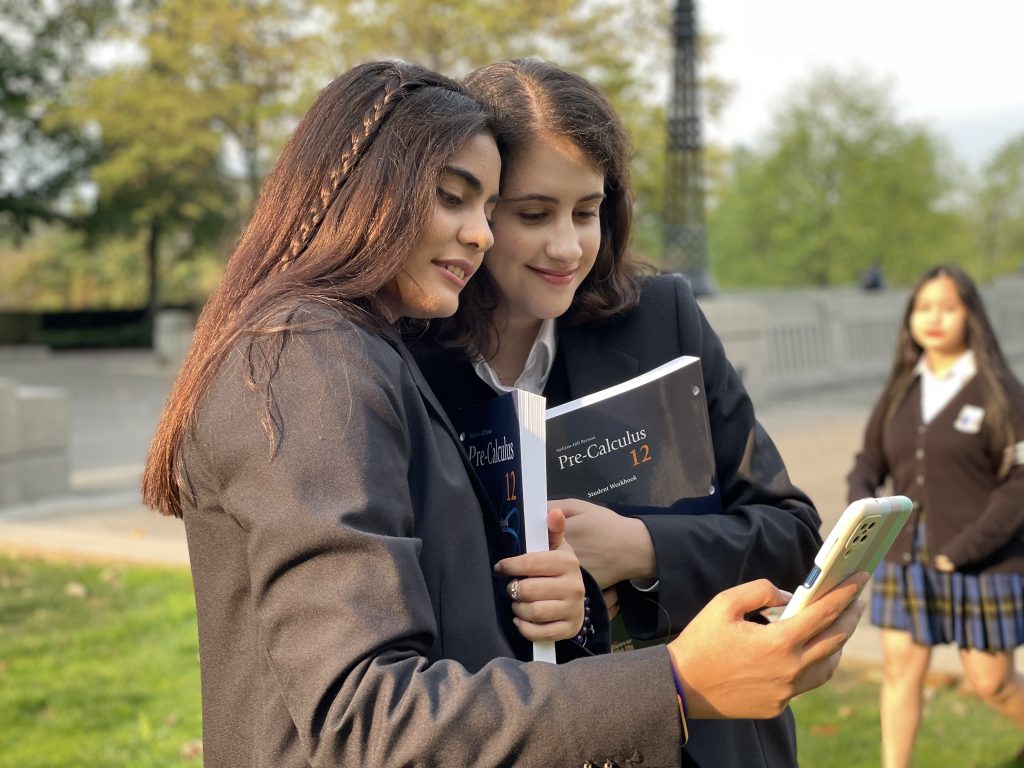
Can Students Graduate Faster With Columbia Academy’s Three-Term System?
Yes, some eligible students may complete a three-year high school program in two years through Columbia Academy’s three-term system. However, this is an accelerated pathway, not a promise for every student.
Students must still complete all required graduation credits, provincial assessments, and course prerequisites.
How Does Accelerated Graduation Work?
The main advantage of a three-term schedule is that students can have more opportunities to take courses within a calendar year.
For example, a student who is academically ready may plan required courses across the fall, winter, and spring/summer terms.
This could allow the student to make faster progress than a traditional two-semester schedule.
But the actual graduation date depends on several factors:
- Credits already earned
- Required courses still outstanding
- Course availability
- Academic performance
- Course prerequisites
- Provincial graduation assessments
- The student’s ability to manage the workload
A student who needs more time to develop strong academic skills should not feel pressured to finish early.
The best graduation plan is one that helps the student succeed, whether that takes two years, three years, or longer.
Does the Three-Term System Change BC Graduation Requirements?
No. Students must still meet the same provincial requirements for the BC Certificate of Graduation, also known as the Dogwood Diploma.
According to the BC Ministry of Education’s graduation requirements, students must earn at least 80 credits and complete the required provincial assessments.
These include:
- Required Grade 10–12 courses
- Elective courses
- At least 16 credits at the Grade 12 level
- Four credits of Indigenous-focused coursework
- The required Grade 10 numeracy and Grade 10 and 12 literacy assessments
A different academic calendar does not reduce these requirements.
Students who take an accelerated pathway must meet the same graduation standards as other BC high school students.
Is the Three-Term System Right for Every Student?
Not necessarily.
Some students enjoy a faster learning pace and are comfortable managing several academic goals.
Others benefit from a more gradual schedule that gives them time to practise, join clubs, and explore their interests.
The right choice depends on the individual student.
Who May Benefit From a Three-Term High School?
This system may be helpful for:
- Students seeking flexibility: Families who need more options for when courses are taken.
- Students transferring schools: Teenagers who want to begin in January or May.
- Academically motivated students: Students who are ready to take additional courses.
- Students planning for university: Teenagers who need specific Grade 11 or 12 subjects.
- Students with missing credits: Students who need a suitable plan to complete outstanding graduation requirements.
What Should Parents Consider Before Choosing an Accelerated Pathway?
Parents should look beyond the possibility of graduating early.
They should ask whether their child can manage the workload while maintaining strong grades and a healthy routine.
Important questions include:
- Is my child comfortable with a faster course schedule?
- Will the required courses be available in the right order?
- Does my child have strong study and time management skills?
- Will there be enough time for university preparation?
- Can my child still enjoy clubs, volunteering, and school activities?
- What support is available if a subject becomes difficult?
Finishing high school early is only one possible benefit. Strong academic preparation and personal growth are equally important.

How Does Columbia Academy Support Students in the Three-Term System?
A flexible schedule works best when students have clear academic goals and access to support.
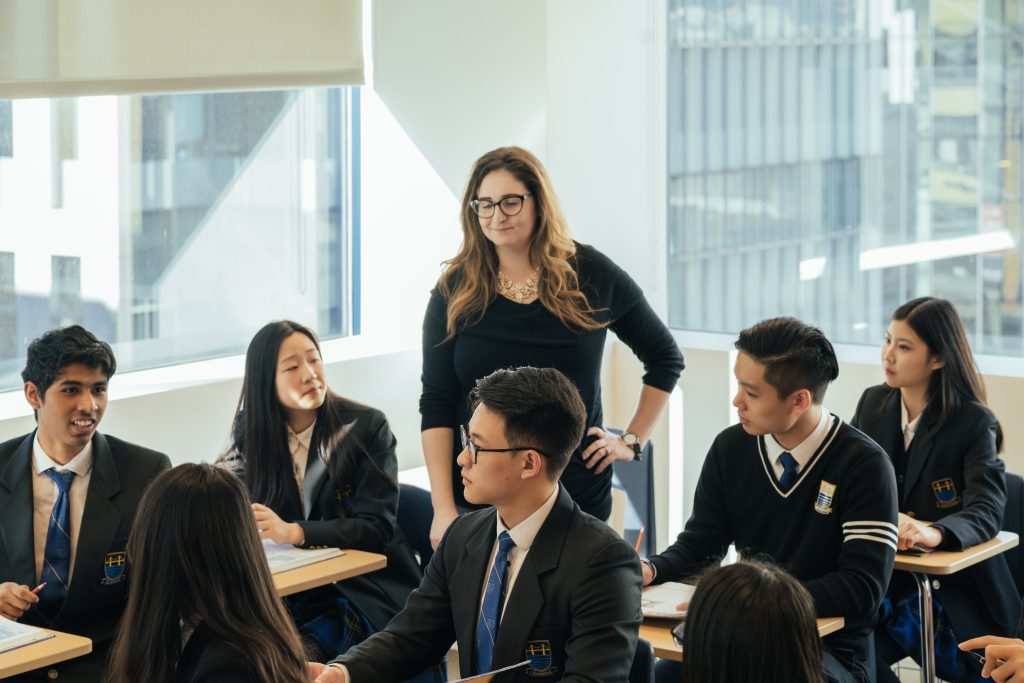
At Columbia Academy, small classes, teacher guidance, and academic support help students develop their knowledge and study skills.
Small Classes and Teacher Support
Students learn at different speeds.
Some may understand a new math concept quickly, while others need more examples and practice.
Columbia Academy’s small classes give teachers more opportunities to answer questions, provide feedback, and notice when a student needs help.
For example, a student taking a challenging Grade 11 mathematics course may need extra practice before moving to Grade 12.
Teacher feedback can help the student identify learning gaps and improve their understanding.
This is especially important when students are considering a faster academic pathway.
Course Planning and University Preparation
Students preparing for university need to choose their courses carefully.
A student interested in engineering, for example, may need advanced mathematics, physics, and chemistry courses.
Those subjects must be taken in the correct order.
Columbia Academy’s three-term system can support flexible planning, but students still need to check the requirements for their chosen universities.
Parents can explore our Grade 11 private high school guide in Vancouver for more information about course selection and senior high school preparation.
Support for International Students
Columbia Academy welcomes students from more than 20 countries.
Students who are new to Canada may need time to adjust to the BC curriculum, understand classroom expectations, and improve their English skills.
The school offers English Language Learner (ELL) support based on student needs.
A three-term system can give eligible international students more options for planning their studies, but their academic pathway depends on previous coursework, English proficiency, and BC graduation requirements.
Can Students Still Enjoy Clubs and Activities?
Yes. A three-term academic calendar does not mean students should focus only on classes and exams.
At Columbia Academy, learning also includes volunteering, charity activities, competitions, and clubs.
The school reports more than 40 charity, performance, and volunteer events each year.
Students have opportunities to develop teamwork, confidence, and leadership while pursuing their academic goals.
Columbia Academy is also an authorized AP school and official AP testing centre, with a history of strong performance in mathematics competitions.
For students taking additional courses, balancing schoolwork with these activities is especially important.
A well-planned schedule should leave room for learning, friendships, rest, and personal interests.
What Should Parents Ask About the Three-Term System?
Before choosing a three-term high school in Vancouver, families should understand how the academic calendar will affect their child’s education.
Here are useful questions to ask Columbia Academy’s admissions team:
| Question | Why It Matters |
|---|---|
| Which courses are offered each term? | Helps families plan required subjects |
| Can my child start in January or May? | Confirms available entry options |
| How many credits can my child earn? | Helps estimate graduation progress |
| Can my child complete high school in two years? | Determines whether an accelerated pathway is realistic |
| What support is available? | Helps parents understand how students manage challenges |
| How are Grade 12 courses planned? | Supports university preparation |
| How much homework should students expect? | Helps families consider workload and balance |
Parents should also review the BC government’s provincial graduation assessments to understand the assessments students must complete before graduation.
Why Consider Columbia Academy’s High School Program in Vancouver?
Columbia Academy is a private K–12 school serving local and international families in downtown Vancouver.
Its Grades 8–12 program is located at the Coal Harbour Campus, 602 West Hastings Street, with convenient access to SkyTrain and bus services.
The school combines the BC curriculum with small-class learning, AP opportunities, student activities, and a flexible three-term academic calendar.
Columbia Academy also reports a 100% university acceptance rate among its graduates, with 90% accepted to universities ranked in the QS Top 50. These are school-reported outcomes and do not guarantee admission for any individual student.
For parents, the key advantage of the three-term system is choice.
Students may be able to start school at different times, plan additional courses, or explore an accelerated graduation pathway when appropriate.
Because class sizes are kept small, seats and course places may be limited.
Families should contact the school early to review available terms and build a suitable study plan.
Frequently Asked Questions About Columbia Academy’s Three-Term System
How does Columbia Academy’s three-term system work?
Columbia Academy divides its high school academic year into three study terms. Students can take courses during fall, winter, and spring/summer periods, with September, January, and May intake options. This provides more flexibility for course planning and graduation.
Can students finish high school in two years at Columbia Academy?
Some eligible students may complete a three-year high school program in two years. This depends on academic readiness, previous credits, course availability, and BC graduation requirements. Accelerated graduation is not guaranteed.
Is a three-term system better than two semesters?
It depends on the student. Three terms can offer more scheduling options, while a traditional two-semester schedule may suit other students. Families should compare workload, course choices, and personal learning needs.
Can local Vancouver students transfer to Columbia Academy in January?
Yes, January admission may be possible for students transferring from Vancouver public or private schools. Admission depends on available seats, academic records, and suitable course placement.
Does Columbia Academy accept students in May?
Yes. May is one of Columbia Academy’s main high school intake periods. Parents should contact admissions to confirm current course and seat availability.
Does the three-term system follow the BC curriculum?
Yes. Columbia Academy follows the BC curriculum. Students working toward the Dogwood Diploma must still meet all provincial graduation requirements.
Will students have more homework in a three-term system?
Homework depends on the courses a student takes. Students following an accelerated plan may have a demanding workload, so good study habits and careful course planning are important.
Is the three-term system suitable for Grade 8 and Grade 9 students?
Grade 8 and 9 students are part of Columbia Academy’s Grades 8–12 high school program. However, accelerated graduation planning mainly concerns students earning Grade 10–12 credits. Younger students should focus on strong academic foundations and a suitable learning pace.
Final Answer: How Columbia Academy’s Three-Term System Works
The Columbia Academy three-term system gives high school students three study periods each year instead of the usual two.
With September, January, and May intake options, students have more flexibility to start school, plan courses, and work toward BC graduation requirements.
For some academically ready students, the system may allow a three-year high school program to be completed in two years. However, every student must still meet provincial graduation requirements, and faster graduation is not guaranteed.
At Columbia Academy, small classes, teacher guidance, academic support, and university preparation help students plan their education around their individual goals.
As a BC Ministry of Education-certified private K–12 school in downtown Vancouver, Columbia Academy welcomes local and international families seeking a flexible, supportive high school experience.
Explore Columbia Academy’s High School Program
Learn more about Columbia Academy’s Grades 8–12 High School Program or contact the admissions team to discuss the three-term system, available courses, and enrollment.
Contact Columbia Academy
- Coal Harbour Campus (Grades 8–12): 602 West Hastings Street, Vancouver, BC
- Phone: 778-379-6811
- Email: Info@ColumbiaAcademy.ca
Contact Columbia Academy to explore the right academic pathway for your child and plan ahead for the next available term.