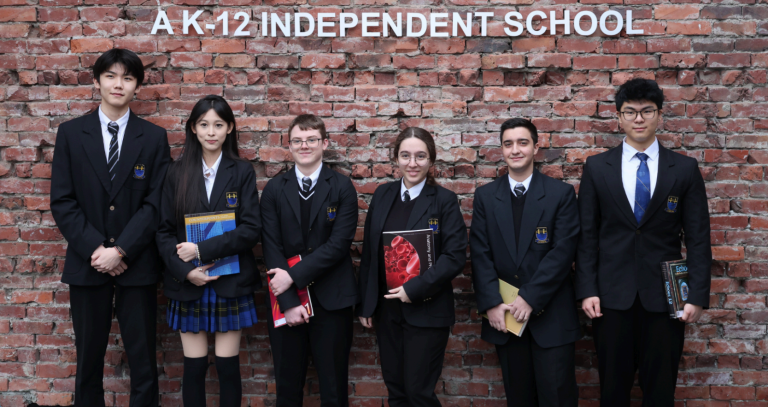
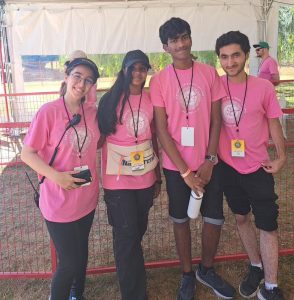
Student well-being in private high schools means helping students feel safe, confident, connected, and ready to learn. Private high schools in Vancouver can support student well-being through smaller classes, caring teachers, healthy friendships, and meaningful activities.
At Columbia Academy, a BC Ministry of Education-certified private K–12 school in downtown Vancouver, education goes beyond grades and exams. Students are encouraged to grow academically, socially, and personally in a supportive school community.
Why Is Student Well-Being Important in High School?
High school is a time of change. Teenagers face harder subjects, new friendships, exams, and decisions about university.
Some students may feel pressure to get good grades. Others may find it hard to make friends or speak up in class.
A supportive school helps students manage these challenges while building confidence and independence.
Students who feel connected to their school may be more willing to:
- Ask questions when they need help
- Take part in classroom discussions
- Make friends and work with others
- Try new activities without fear of making mistakes
- Develop healthy study habits
- Feel proud of their progress
The Public Health Agency of Canada’s research on school environments highlights the importance of positive relationships with teachers and classmates in supporting student confidence and emotional well-being.
For parents, this means choosing a high school is not only about academic results. It is also about finding a place where their child feels comfortable learning and growing.
How Do Private High Schools in Vancouver Support Student Well-Being?
Private high schools can support students in different ways. Some focus on smaller classes, while others offer clubs, personal development programs, and student support services.
A good school should help students feel that they belong, while also encouraging them to take responsibility for their learning.
| Area of Support | How It Helps Students |
|---|---|
| Small classes | More chances to ask questions and receive feedback |
| Teacher relationships | Students know whom to approach when they need help |
| Healthy friendships | Students feel included and connected |
| Personal development | Students build confidence and communication skills |
| Clubs and volunteering | Students explore interests and make friends |
| Safe school culture | Students learn respect and how to report concerns |
| English language support | Newcomers gain confidence in class |
At Columbia Academy, these areas are part of the broader high school experience, with an emphasis on both academic achievement and personal growth.

How Do Small Classes Help High School Students Build Confidence?
Imagine a student who understands most of a lesson but feels nervous asking a question.
In a large classroom, that student may stay quiet. In a smaller class, there may be more chances for the teacher to notice and offer help.
More Opportunities to Be Heard
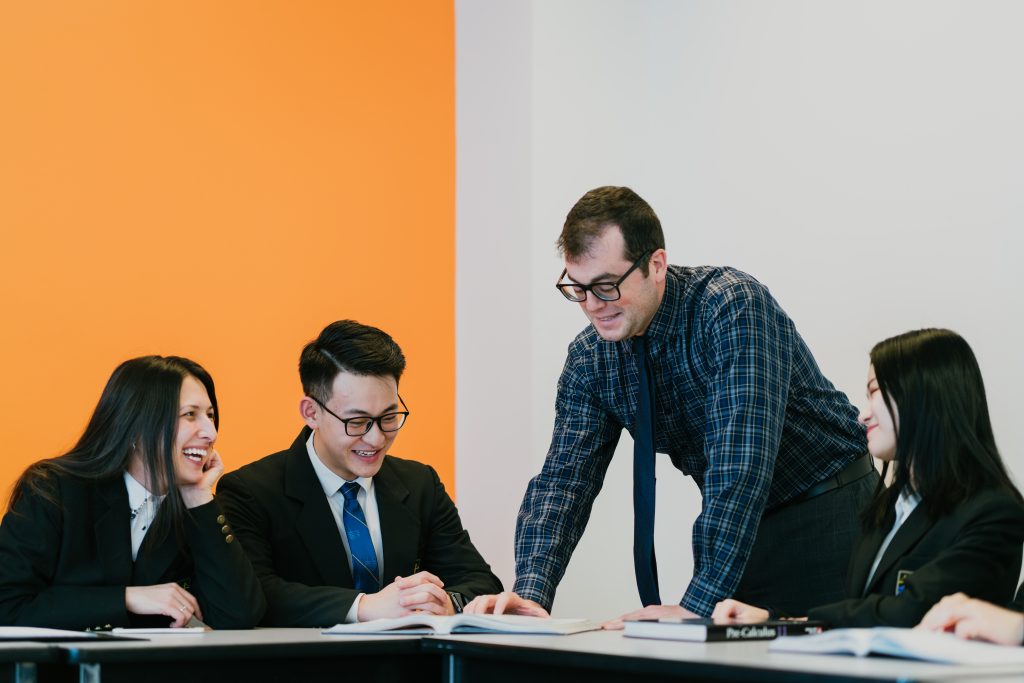
Small classes are an important part of the learning experience at Columbia Academy.
They give teachers more opportunities to understand each student’s strengths, learning pace, and areas where extra support may help.
For example, a student who finds English presentations difficult can practise speaking, receive feedback, and become more comfortable sharing ideas.
Over time, these small steps can help students build confidence.
Smaller classes can also make it easier to:
- Ask questions during lessons
- Take part in group discussions
- Receive personal feedback
- Work closely with classmates
- Get help before learning gaps become larger
Class size alone does not guarantee success. A caring teacher, positive classroom culture, and student effort are just as important.
Parents can explore how small class sizes help high school students learn and build confidence to understand why classroom support matters.
How Does Columbia Academy Help Students Build Confidence and Life Skills?
Academic learning is important, but students also need skills that help them in daily life.
Knowing how to communicate, manage disagreements, and understand others can make school a more positive experience.
At Columbia Academy, students have opportunities to develop these skills through classroom learning and personal development education.
Learning About Happiness and Healthy Relationships
One example is Personal Awareness 12, also known as Happiness 12, which explores self-esteem, communication, and healthy relationships.
Students learn to think about questions such as:
- What are my strengths?
- How can I communicate my feelings respectfully?
- How do my words affect other people?
- What can I do when I disagree with someone?
- How can I become a more confident person?
These lessons encourage students to understand themselves and build positive relationships.
For example, learning how to listen and respond respectfully can help a student work better with classmates, resolve small disagreements, and feel more comfortable in group activities.
These skills are valuable in high school and later in university, work, and everyday life.
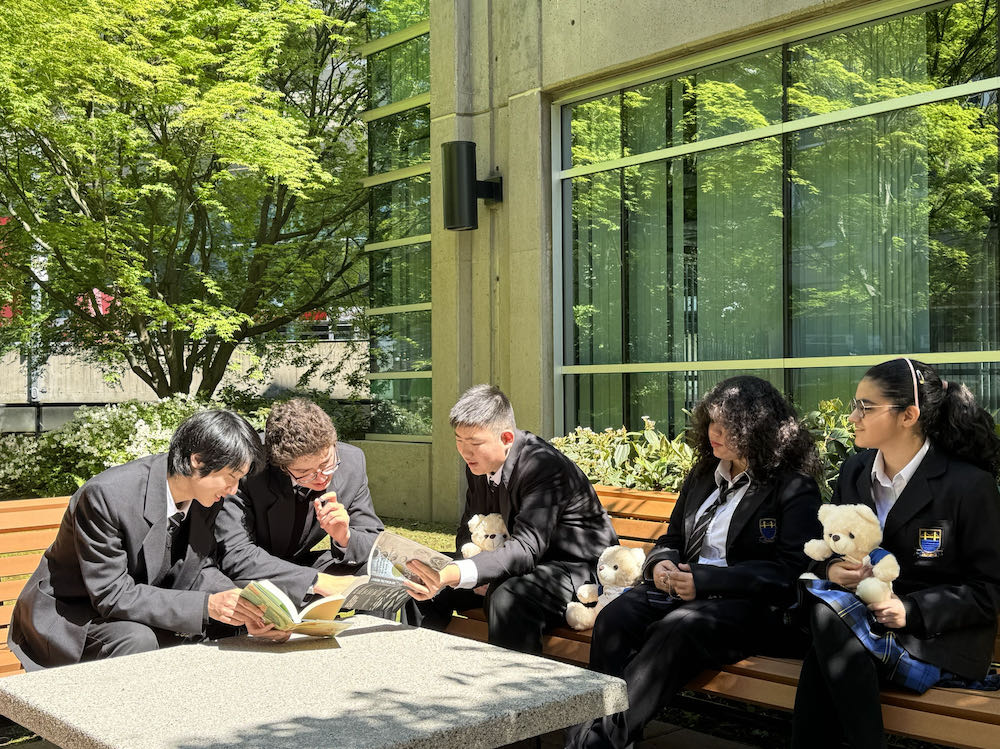
How Do Clubs and Volunteering Help Students Feel Connected?
For many teenagers, some of their favourite school memories happen outside the classroom.
Joining a club, helping with an event, or working on a group project gives students a chance to meet people and discover new interests.
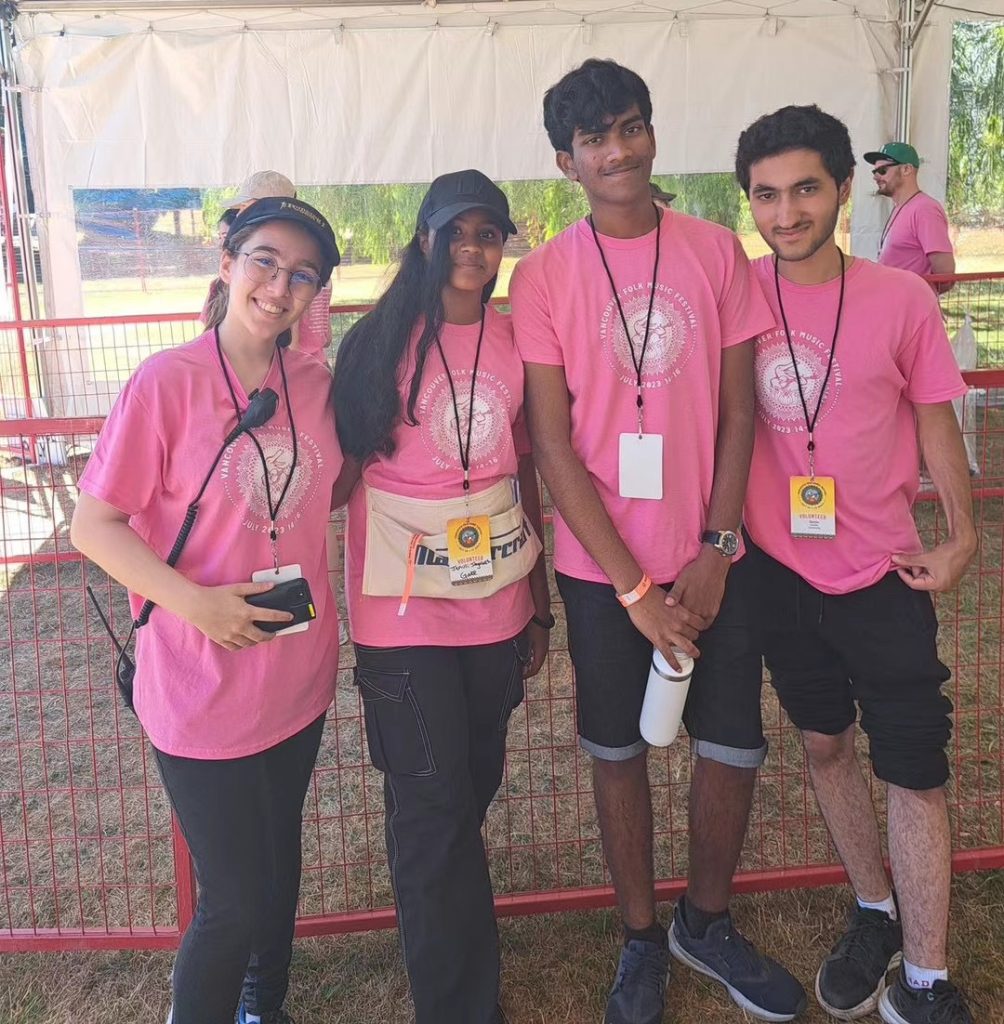
At Columbia Academy, students can participate in more than 40 charity, performance, and volunteer events each year.
These experiences support the school’s focus on academics, volunteering, charity, competitions, and clubs.
Building Friendships Through Shared Experiences
Consider a student who is new to the school and does not know many classmates.
Joining a club or helping organize an event can make it easier to start conversations. Students already have a shared goal, so making connections may feel more natural.
Through these activities, students can:
- Meet classmates with similar interests
- Build teamwork and leadership skills
- Discover new talents
- Help their local community
- Gain experience speaking and working with others
- Develop a stronger sense of belonging
Not every student enjoys the same activities. Some prefer academic competitions, while others enjoy volunteering, art, or community events.
Having different ways to participate helps students find activities that match their interests and personalities.
How Do Private High Schools Create a Safe and Respectful Environment?
Students learn better when they feel safe, respected, and accepted.
A supportive school community encourages kindness, sets clear expectations, and helps students understand how to treat others.
The BC government’s erase program emphasizes safe, caring, and inclusive school environments as an important part of student well-being.
Creating a Culture of Respect at Columbia Academy
At Columbia Academy, respect, responsibility, and compassion are important school values.
Students learn about healthy relationships, bullying prevention, and the importance of treating others fairly.
The school also takes part in activities such as Pink Shirt Day, which encourages students to stand against bullying.
These learning experiences help students understand that their words and actions can affect others.
For example, if a classmate feels left out, students can learn how small actions, such as offering help or inviting someone into a group, can make a difference.
A safe school does not mean disagreements never happen. It means students know that concerns matter and that adults are responsible for responding appropriately.
Parents should feel comfortable asking how a school handles bullying, student conflicts, and communication with families.
How Does Columbia Academy Support International Students’ Well-Being?
Moving to a new country can be a big change for a teenager.
International students may need to learn a new language, understand different classroom expectations, and make friends while adjusting to life away from familiar surroundings.
Even students who are strong academically may feel shy or uncertain at first.
Building Confidence Through English Language Support
Columbia Academy welcomes students from more than 20 countries, bringing different cultures and experiences into the classroom.
For students who need help learning in English, the school offers English Language Learner (ELL) support.
Language support can help students:
- Understand classroom instructions
- Improve academic reading and writing
- Practise speaking English
- Join discussions with greater confidence
- Communicate more comfortably with teachers and classmates
For example, an international student may understand a science topic but find it difficult to explain their answer in English.
With appropriate language support and regular classroom practice, the student can build the skills needed to share their ideas more clearly.
Feeling Part of a School Community
Learning a language is only one part of adjusting to a new school.
Students also need friendships, routines, and a feeling that they belong.
At Columbia Academy, a multicultural student community and opportunities to join school activities give newcomers ways to connect with others.
Every student’s adjustment is different. Some settle in quickly, while others need more time and support.
Families can read our guide on how international students adjust to high school in Vancouver for more practical advice.
Can Strong Academic Results and Student Well-Being Go Together?
Yes. A school can encourage students to work hard while also supporting confidence, positive relationships, and personal growth.
Academic challenges are a normal part of high school. What matters is how students are guided through them.
Students need clear goals, useful feedback, and opportunities to ask for help.
At Columbia Academy, the high school program combines small-class learning with university preparation, AP opportunities, academic competitions, and extracurricular activities.
The school reports a 100% university acceptance rate, with 90% of graduates accepted to universities ranked in the QS Top 50.
Columbia Academy is also an authorized AP school and AP Exam Center, with strong results in mathematics competitions, including Top 5 placements in British Columbia.
These achievements show the school’s academic focus. However, university admission depends on each student’s performance, course choices, and application.
Students still need to study, complete their work, and take responsibility for their learning.
A supportive environment is not one without challenges. It is one where students have opportunities to build the skills and confidence to face them.
What Should Parents Look for in a Supportive Private High School?
When choosing a private high school in Vancouver, parents often compare tuition, curriculum, and university results.
These are important factors, but the daily school experience matters too.
Parents should ask how the school helps students feel comfortable, confident, and included.
Questions to Ask During a School Tour
- Classroom support: How do teachers help students who are shy or falling behind?
- Student confidence: What opportunities do students have to speak, lead, and try new activities?
- Friendships: How does the school help new students feel welcome?
- School safety: What happens when a student reports bullying or feels unsafe?
- International support: How are students supported when adjusting to English-language learning?
- Well-being support: Who can students speak with when they feel worried or overwhelmed?
- School activities: What clubs, volunteering, and community events are available?
Parents should also ask whether professional counselling or other specialized services are available if their child needs them.
A school visit provides a chance to see the learning environment and ask questions that matter to your family.
Visit Columbia Academy in Downtown Vancouver
Columbia Academy’s Grades 8–12 high school is located at 602 West Hastings Street, Coal Harbour, in downtown Vancouver.
The campus is centrally located with convenient access to SkyTrain and bus services.
Families considering Columbia Academy can learn about the school program, classroom environment, and opportunities for students to grow both academically and personally.
Because class sizes are kept small and places may be limited, parents are encouraged to contact the admissions team and plan early.
Frequently Asked Questions About Student Well-Being in Private High Schools
How do private high schools support student mental health?
Private high schools can support student mental health by creating safe classrooms, encouraging positive relationships, teaching emotional and social skills, and helping students find support when needed. Specific counselling and mental health services vary by school.
How do small classes help students build confidence?
Small classes give students more opportunities to ask questions, practise speaking, and receive feedback from teachers. These experiences may help shy students become more comfortable participating.
How can schools help international students feel included?
Schools can help international students through English language support, welcoming classrooms, multicultural activities, and opportunities to make friends. Students may need different amounts of time to adjust.
Do extracurricular activities improve student well-being?
Clubs, volunteering, and school events can help students develop friendships, discover interests, and feel connected to their school community.
Does Columbia Academy support students beyond academics?
Yes. Columbia Academy combines academic learning with personal development education, small-class support, clubs, volunteering, and community activities. Families with specific mental health or counselling needs should contact the school to ask about available services.
What makes a private high school supportive?
A supportive high school has caring teachers, clear expectations, safe classrooms, opportunities to make friends, and ways for students to ask for help. Parents should look for these qualities during a school visit.
Final Answer: How Private High Schools in Vancouver Support Student Well-Being
Student well-being in private high schools is about more than academic success. It means helping students feel safe, confident, respected, and connected while preparing for the future.
Private high schools in Vancouver can support well-being through smaller classes, positive teacher relationships, social-emotional learning, student activities, and inclusive school communities.
At Columbia Academy, students have opportunities to build academic skills, confidence, friendships, and leadership through a balanced high school experience.
As a BC Ministry of Education-certified private K–12 school in downtown Vancouver, Columbia Academy welcomes local and international students in a community focused on learning and personal growth.
Families who want to learn more can explore Columbia Academy’s Grades 8–12 high school program and contact the admissions team to arrange a school visit.
Contact Columbia Academy
- Coal Harbour Campus (Grades 8–12): 602 West Hastings Street, Vancouver, BC
- Phone: 778-379-6811
- Email: Info@ColumbiaAcademy.ca
Discover a high school environment where students have opportunities to learn, connect, and grow with confidence.