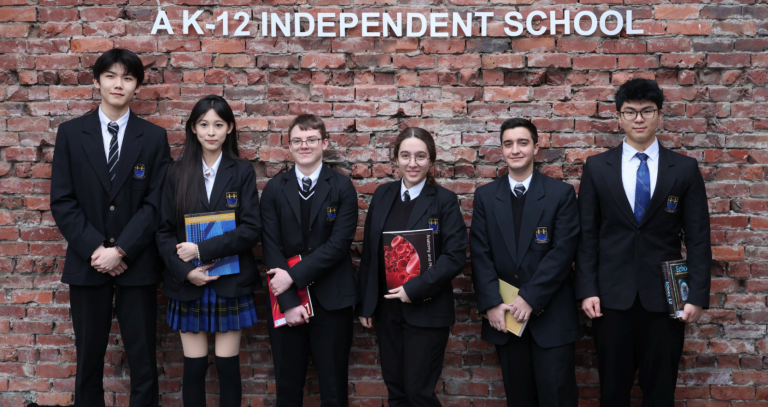
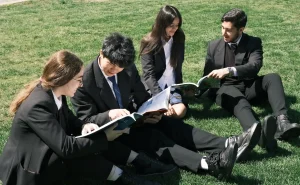
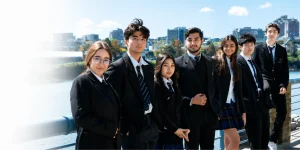
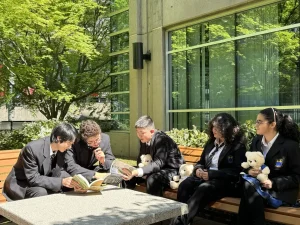
Clubs and extracurricular activities for high school students in Vancouver fall into six main types: academic clubs, sports, arts, service and leadership, cultural groups, and competitions. The best ones do two things at once — they make school fun and they build the profile universities want to see. At Columbia Academy, a private high school in downtown Vancouver, students choose from 40+ events and activities each year.
This guide explains the main types, why they matter more than most families think, and how to pick the right ones.
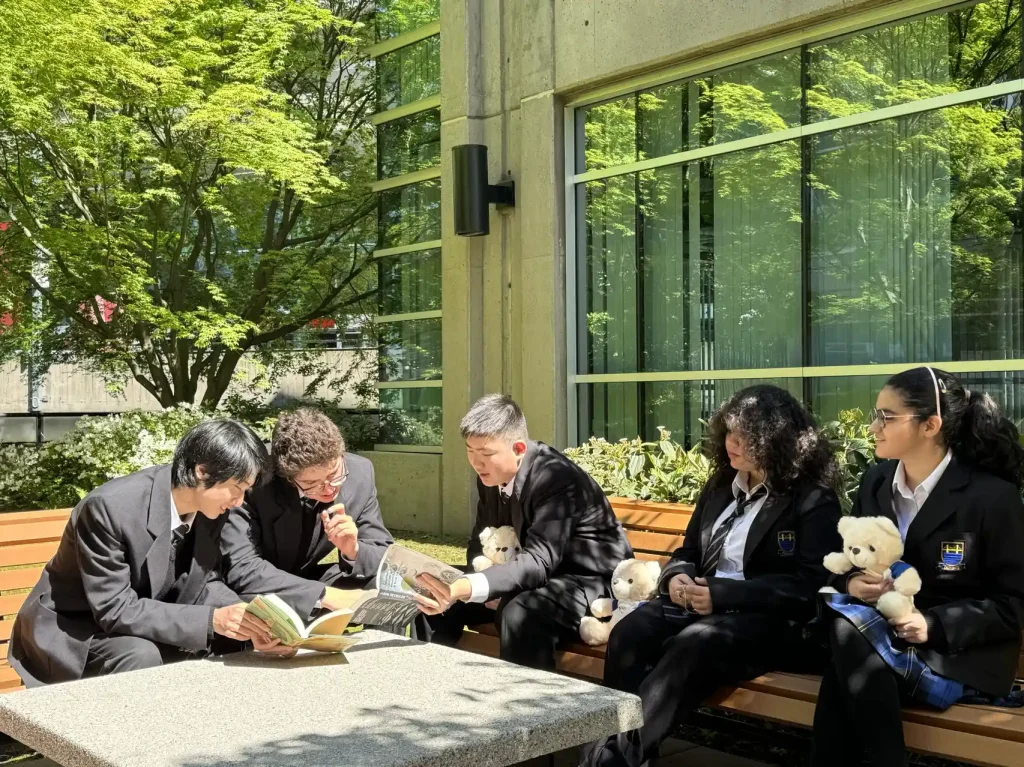
The 6 Types of High School Clubs and Extracurricular Activities
Most activities fit into one of these groups:
| Type | Examples | What It Builds |
|---|---|---|
| Academic clubs | Math club, science, debate, coding | Deeper subject skills, teamwork |
| Sports | Basketball, badminton, running | Fitness, discipline, teamwork |
| Arts | Music, drama, art, photography | Creativity, confidence |
| Service & leadership | Volunteering, student council | Responsibility, leadership |
| Cultural groups | Language clubs, cultural nights | Belonging, connection |
| Competitions | Math contests, science fairs | Achievement, university appeal |
A good school offers a spread across all six, so every student finds something that fits.
Why Extracurricular Activities Matter for High School Students
Clubs are not just for fun. They shape a student in ways that classes cannot.
- They build friendships. For a new or international student, a club is the easiest place to make friends — shared interest does the hard work.
- They grow confidence. A shy student who joins drama or debate often becomes a different person by year’s end.
- They teach real skills. Leadership, time management, and teamwork all come from activities, not textbooks.
- They strengthen university applications. This is the one families underrate most.
How Clubs Help University Applications
Universities read more than grades. They want to see students who did something with their time outside class.
A student who led a club, volunteered regularly, or won a competition stands out. This connects directly to strong university preparation at a Vancouver high school — grades open the door, but activities show character.
At Columbia Academy, students compete in provincial math contests, where the school ranks Top 5 in BC. That kind of result is exactly what a competitive science or engineering program notices.
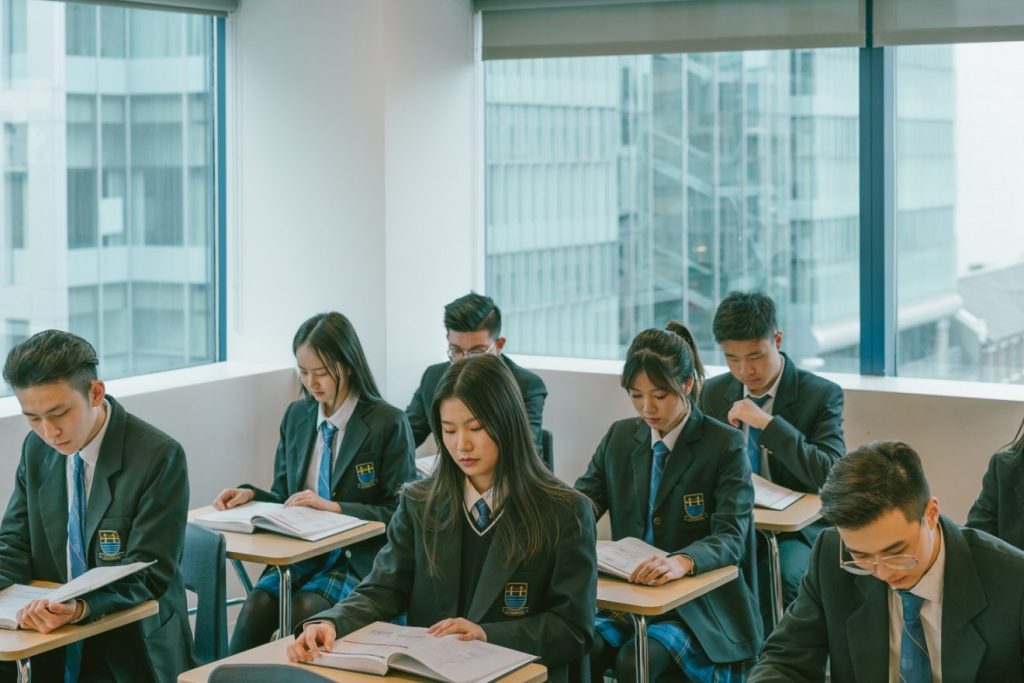
Extracurricular Activities at Columbia Academy
Our downtown location shapes what students can do. The Coal Harbour Campus at 602 West Hastings Street sits near parks, the seawall, libraries, and community centres — so activities reach beyond the classroom walls.
Across the year, students take part in 40+ events: clubs, competitions, cultural celebrations, field trips, and more. Because our students come from more than 20 countries, cultural activities are a real highlight, and no student feels like the only new face.
Small class sizes matter here too. In a big school, quieter students get overlooked when clubs form. In small classes, teachers know each student and can nudge them toward an activity that fits. For students still building English, this support — paired with built-in ESL help — makes joining in far less scary.
Activities also pair naturally with our three-term calendar and busy school life. Families weighing the wider picture often start with what to look for in a Vancouver high school.
How to Choose the Right Activities
More is not better. Colleges and wellbeing both favour depth over a long, shallow list.
A simple approach:
- Start with interest. Pick one or two activities the student actually enjoys.
- Add one stretch. Try something new — debate, a new sport, a service project.
- Go deep, not wide. Sticking with one club for years beats hopping through ten.
- Leave room to rest. Downtime protects wellbeing. The BC government shares guidance on youth mental health and balance that’s worth reading.
To be honest with families: strong activities take real commitment, and seats in popular clubs can be limited — just like seats in the school itself. Students who join early and stay consistent get the most out of it.

FAQ: High School Clubs and Activities in Vancouver
What clubs do high schools in Vancouver offer?
Common clubs include math and science, debate, coding, drama, music, art, sports teams, student council, volunteering groups, and cultural clubs. Columbia Academy runs 40+ events and activities across the year.
Why are extracurricular activities important for high school students?
They build friendships, confidence, and real skills like leadership and teamwork. They also strengthen university applications by showing what a student does beyond the classroom.
How many extracurricular activities should a student do?
Depth beats quantity. Two or three activities a student sticks with over time are stronger than many short-lived ones — for both university applications and wellbeing.
Do extracurricular activities help with university admission in Canada?
Yes. Canadian universities value sustained involvement, leadership, and achievement outside class, especially for competitive programs and scholarships.
Can international students join clubs easily?
Yes. Clubs are one of the best ways for international students to make friends and practice English. Cultural clubs are especially welcoming when a school has students from many countries.
Final Answer: Clubs and Extracurricular Activities for High School Students in Vancouver
Clubs and extracurricular activities for high school students in Vancouver come in six types — academic, sports, arts, service, cultural, and competitions. The right ones build friendships, confidence, and the kind of profile universities look for. The trick is depth: a few activities pursued seriously beat a long, thin list.
Columbia Academy’s high school program for Grades 8–12 offers 40+ events a year in the heart of downtown Vancouver, with small classes that help every student find their place.
Seats and popular clubs both fill early. If you’d like to see student life in action, reach out and book a visit to our Coal Harbour Campus.