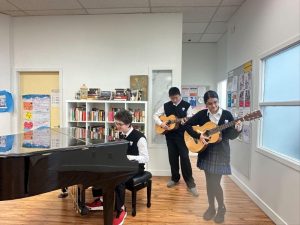
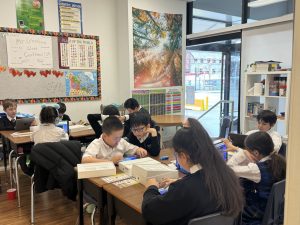
Outdoor learning for elementary students in Vancouver gives children a chance to learn beyond the classroom. They can move, observe, explore, solve problems, and connect what they learn at school with the world around them.
At Columbia Academy, outdoor learning is a regular part of the K–7 experience. Students have opportunities each week to learn and stay active outside while developing academic, social, and practical skills.
Outdoor learning does not replace classroom teaching. It gives children another way to understand and use what they are learning.
What Is Outdoor Learning in Elementary School?
Outdoor learning is a planned learning activity that takes place outside the regular classroom.
It can happen in many places, such as:
- A school plaza
- A nearby park
- A playground
- A community space
- A walking route
- A sports area
- A neighbourhood learning space
The important part is not simply being outside.
A good outdoor lesson has a clear purpose.
Students may be observing, measuring, discussing, moving, solving a problem, or applying something they first learned in class.
The B.C. Physical and Health Education curriculum recognizes that learning can take place in many environments, including schoolyards, community spaces, fields, trails, and other outdoor areas.
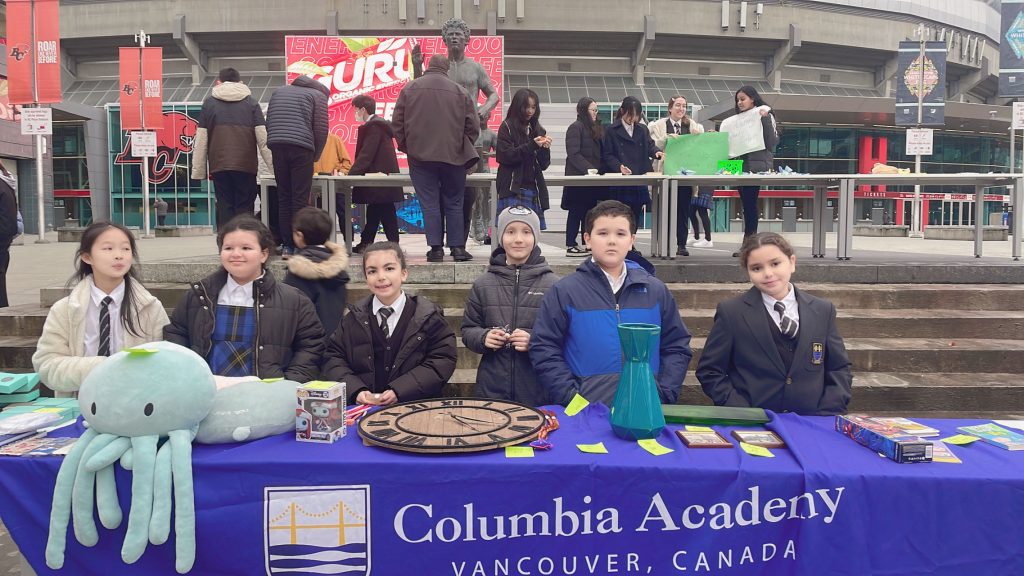
What Can Elementary Students Learn Outdoors?
Outdoor learning can connect naturally with many school subjects.
| Subject | Outdoor Learning Example |
|---|---|
| Science | Observe plants, weather, insects, or seasonal changes |
| Math | Measure distances, count objects, or compare shapes |
| English | Write about what students see and hear |
| Physical Education | Practise movement and teamwork |
| Social Studies | Explore the neighbourhood and local community |
| Art | Draw buildings, plants, or outdoor objects |
| Career and Life Skills | Practise teamwork, responsibility, and communication |
For example, a class learning about seasons might visit the same outdoor area several times.
Students could observe a tree, record the weather, compare temperatures, describe changes, and later write about what they discovered.
The outdoor activity supports the classroom lesson.
Benefits of Outdoor Learning for Elementary Students in Vancouver
Children spend a lot of time during the school day reading, writing, listening, and working at a desk.
They also need opportunities to move and experience their surroundings.
Outdoor learning can give children more chances to practise:
- Observation
- Communication
- Teamwork
- Problem-solving
- Independence
- Physical movement
- Curiosity
- Responsibility
The Government of Canada recommends that children and youth ages 5 to 17 get at least 60 minutes of moderate-to-vigorous physical activity each day. Parents can read more in the Government of Canada physical activity guidance for children and youth.
Outdoor lessons are not meant to replace Physical Education, but they can help make movement a more natural part of the school day.
Families looking for a balance of academics, movement, and hands-on learning can explore Columbia Academy’s K–7 elementary program.
1. Outdoor Learning Makes Lessons Easier to Understand
Children often understand an idea better when they can see or experience it.
A Science lesson about plants becomes more real when students can look at leaves, trees, soil, and weather.
A Math lesson can include measuring distances or comparing the size and shape of objects.
An English lesson can ask students to describe what they saw, heard, or discovered outside.
Instead of only learning from a page, students can connect a lesson with something they have experienced themselves.
That is one of the main benefits of hands-on learning.
2. Children Have More Opportunities to Move
Learning does not always have to happen while sitting at a desk.
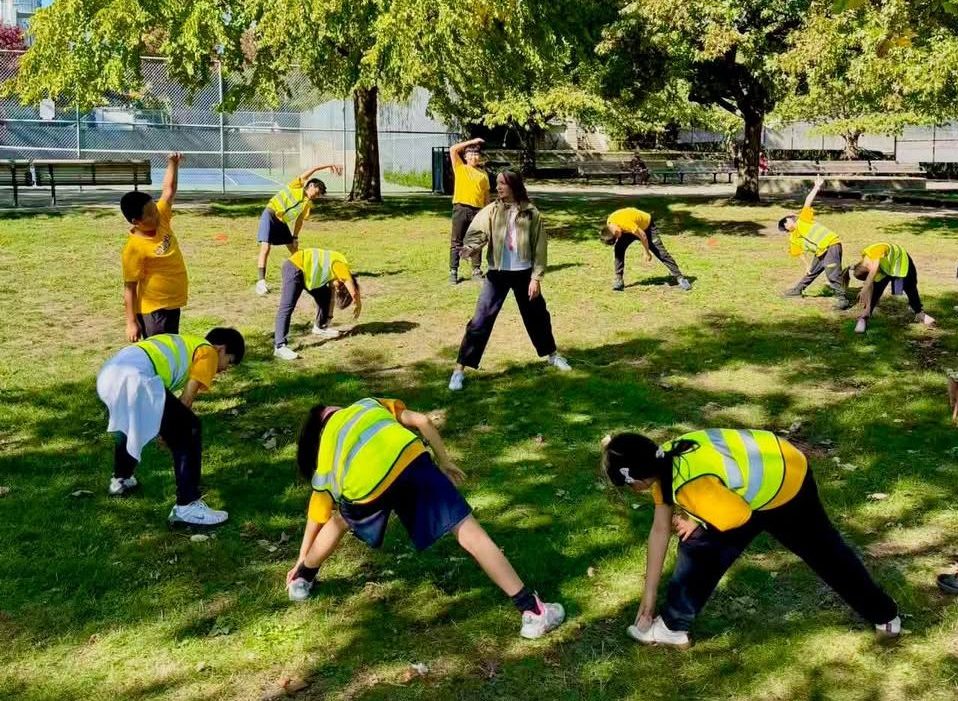
Students can walk, explore, measure, balance, play a learning game, or move between different activity stations.
Movement can be especially helpful for younger children who find it difficult to sit still for long periods.
Outdoor lessons can also show students that being active is part of everyday life, not something that happens only during PE class.
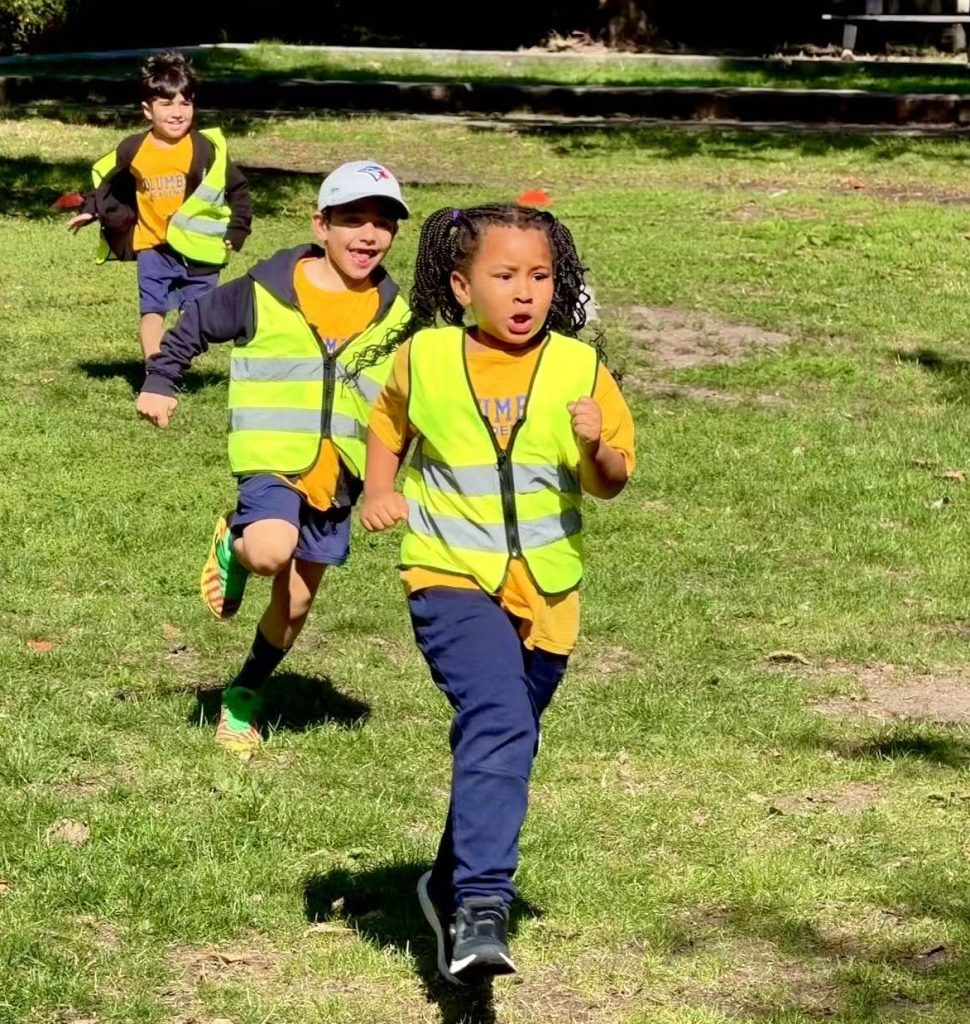
3. Outdoor Activities Encourage Teamwork
Many outdoor lessons work well in pairs or small groups.
Students might:
- Complete a scavenger hunt
- Make observations together
- Measure an area
- Solve a group challenge
- Play a team activity
- Discuss what they notice
- Present what they discovered
Children need to listen to each other and share ideas.
They may also need to take turns, divide tasks, and solve small disagreements.
These are useful skills both inside and outside school.
4. Children Can Build Independence
Outdoor learning can also give students small opportunities to take responsibility.
They may need to:
- Follow instructions
- Stay with their group
- Look after materials
- Dress for the weather
- Complete a task
- Pay attention to their surroundings
- Ask for help when they need it
Teachers still supervise and guide the activity.
The goal is not to leave children on their own. It is to give them safe opportunities to become more responsible over time.
5. Outdoor Learning Encourages Curiosity
Children naturally ask questions about what they see.
Why is that leaf changing colour?
Why is one shadow longer?
Where does rainwater go?
Why are there different kinds of trees?
Why does the temperature feel different in the shade?
Questions like these can become part of a lesson.
A teacher can help students observe first, make a guess, talk about their ideas, and then look for an answer.
Outdoor learning can turn an ordinary walk or observation into a meaningful learning experience.
Outdoor Learning at Columbia Academy
Columbia Academy is a B.C. Ministry of Education–certified private K–12 school in downtown Vancouver.
The elementary K–7 program is located at the Yaletown Campus at 792 Beatty Street, beside BC Place.
Weekly outdoor learning is part of the elementary program.
Students can use outdoor experiences to support areas such as:
- Science
- Physical Education
- Community learning
- Teamwork
- Observation
- Movement
- Environmental awareness
Being located downtown does not prevent a school from providing outdoor learning.
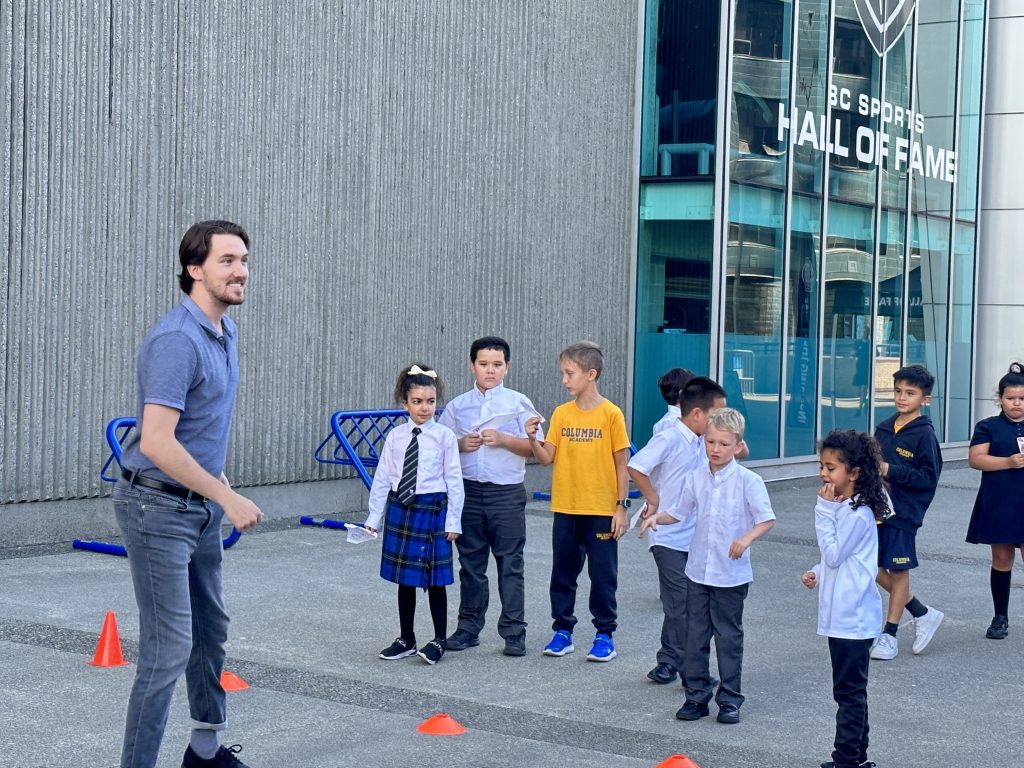
A city school can use outdoor plazas, nearby parks, neighbourhood walks, community spaces, and local sports facilities.
Columbia Academy also has an outdoor plaza where students can take part in activities such as jump rope, physical training, and badminton.
For families who wonder how a downtown location can work for young children, our article on the benefits of an elementary school in downtown Vancouver explains more about the location and school experience.
Want to see what the learning environment is like in person? Families are welcome to visit Columbia Academy’s Yaletown Campus and learn how outdoor activities fit into the regular K–7 school week.
How Small Classes Help With Outdoor Learning
Outdoor activities require careful supervision.
Teachers need to explain instructions clearly, know where students are, answer questions, and make sure each activity is suitable for the students’ age.
Columbia Academy elementary classes are capped at 15 students.
In a smaller group, teachers have more opportunities to:
- Check that everyone understands the activity
- Answer individual questions
- Observe participation
- Give extra guidance
- Keep the group organized
- Notice when a child needs help
This can be especially useful with younger students.
It can also help students who are quiet or less confident about joining a group activity.
Parents comparing schools can learn more about what to look for in a K–7 private school in Vancouver.
Outdoor Learning Can Help Students Learning English
Outdoor learning can also be useful for children who are still developing their English.
A classroom word can sometimes feel abstract.
Outside, students can connect the word with something they can see or do.
For example, a teacher can use real objects and actions to explain words such as:
- Above
- Below
- Longer
- Shorter
- Rough
- Smooth
- Leaf
- Branch
- Measure
- Compare
Students can hear the word, see what it means, and use it in a real situation.
Columbia Academy supports students who need extra help with English. Small classes also give teachers more opportunities to explain new vocabulary and check that students understand instructions before an activity begins.
This is especially useful for international students who may be learning both new academic content and new English vocabulary at the same time.
Outdoor Learning Is Not the Same as Recess
Outdoor learning and recess both have value, but they are different.
Recess gives children time to play, move, relax, and spend time with friends.
Outdoor learning has a planned educational goal.
For example:
During recess, children might play together outside.
During an outdoor Science lesson, students might look at several types of leaves, compare their shapes, and record what they notice.
Both experiences matter.
Children need time for free play as well as structured learning.
What Happens When It Rains in Vancouver?
Vancouver families know that rain is part of life.
Outdoor learning does not have to stop every time the weather changes.
Children can often continue learning outside when they have suitable clothing and the conditions are safe.
However, schools also need to consider:
- Heavy rain
- Strong wind
- Cold temperatures
- Heat
- Poor air quality
- Weather warnings
- Individual health needs
Safety comes first.
If outdoor conditions are not suitable, activities can be changed, moved indoors, or planned for another day.
Learning to prepare for changing weather can also help children develop independence and practical skills.
Outdoor Learning Can Support Strong Academics
Parents sometimes wonder if time spent outside takes away from academic learning.
It should not.
A strong program can include both structured academics and hands-on experiences.
Columbia Academy students continue to study the main areas of the B.C. curriculum, including:
- English Language Arts
- Math
- Science
- Social Studies
- Physical and Health Education
- French
- Music
- Art
Students also build regular learning habits through daily reading and structured homework.
Outdoor learning adds another layer to that academic program.
For example, a child may first learn a Science idea in class, observe it outdoors, discuss what happened with classmates, and then write about it afterward.
The outdoor activity becomes part of the learning process rather than a break from learning.
A Balanced K–7 School Day
Outdoor learning is only one part of the elementary experience at Columbia Academy.
Students also have opportunities to develop through:
- French and Mandarin language learning
- Daily reading
- Structured homework
- Music
- Three musical instruments beginning in Kindergarten
- Meditation and mindfulness
- Yoga and movement
- Clubs and activities
Different children respond to different types of learning.
One child may enjoy reading quietly.
Another may understand a concept more easily after seeing it in real life.
Another may become more confident through music or movement.
A balanced K–7 program gives children more than one way to learn and grow.
Families interested in movement and student wellness can also read about active living at Columbia Academy’s downtown Vancouver elementary school.
What Should Parents Ask About Outdoor Learning?
When visiting an elementary school, parents should ask what outdoor learning actually looks like.
Useful questions include:
- How often do students learn outside?
- Where do outdoor activities take place?
- Which subjects use outdoor learning?
- How are younger students supervised?
- What happens when the weather is poor?
- Are outdoor activities part of the regular school program?
- Are there extra costs?
- How do outdoor activities connect with classroom learning?
Parents should look beyond a website saying that a school offers “outdoor education.”
Ask for real examples.
This will help you understand whether outdoor learning happens regularly or only during occasional field trips.
If regular outdoor learning, small classes, and a balanced academic program are important to your family, a school visit is one of the best ways to see whether the environment feels right for your child.
FAQ About Outdoor Learning for Elementary Students
What is outdoor learning for elementary students?
Outdoor learning is planned learning that takes place outside the classroom. Students can use parks, school grounds, plazas, community spaces, and other outdoor areas to learn subjects such as Science, Math, English, Art, Physical Education, and Social Studies.
What are the benefits of outdoor learning for children?
Outdoor learning gives children opportunities to move, observe, ask questions, communicate, solve problems, work with classmates, and connect classroom lessons with real experiences.
How often should elementary students learn outdoors?
There is no single schedule that is right for every school.
Parents should ask whether outdoor learning is part of the regular program or mainly used for occasional field trips.
At Columbia Academy, outdoor learning takes place weekly as part of the K–7 experience.
Can a downtown Vancouver school provide outdoor learning?
Yes.
Outdoor learning does not require a large forest beside the school.
A downtown Vancouver school can use parks, outdoor plazas, neighbourhood walks, community facilities, and other nearby spaces.
What matters is that the activity is safe, supervised, and connected to a clear learning goal.
Does outdoor learning replace classroom teaching?
No.
Outdoor learning should support classroom teaching, not replace it.
Students still need structured instruction, reading, writing, Math, and other academic work.
Outdoor activities give them another way to apply and understand what they are learning.
Is outdoor learning the same as outdoor education?
The terms are related, but they are not always used in the same way.
Outdoor learning can be as simple as taking a Science, Math, Art, or English lesson outside.
Outdoor education may include more specialized experiences such as hiking, camping, environmental studies, or longer outdoor activities.
For elementary students, outdoor learning can be simple, local, and part of the regular school week.
Is outdoor learning useful for students who are learning English?
Yes.
Outdoor activities can give English learners real objects, actions, and experiences to connect with new words.
Small-group activities also give students opportunities to listen, speak, and practise English naturally with teachers and classmates.
Final Answer: Why Outdoor Learning Matters
Outdoor learning for elementary students in Vancouver gives children another way to understand what they are learning.
They can move, explore, observe, ask questions, work with classmates, and connect school lessons with real experiences.
It does not need to replace strong academics.
The best approach is a balance of classroom teaching, reading, writing, structured practice, movement, and hands-on experiences.
At Columbia Academy, weekly outdoor learning is part of a broader K–7 program that also includes small classes, daily reading and homework, French and Mandarin, music, mindfulness, and other learning experiences.
Families looking for a private elementary school in Vancouver can learn more about Columbia Academy’s K–7 programand arrange a visit to the Yaletown Campus.