Introduction – Shaping Lifelong Success in Downtown Vancouver
For many parents, elementary school is where academic skills begin, but it is also where social-emotional learning (SEL) takes root. While literacy and numeracy are foundational, research confirms that emotional intelligence is equally critical for a child’s future.
As the only independent K-12 school in downtown Vancouver, Columbia Academy understands that true education goes beyond textbooks. We integrate SEL into every aspect of our curriculum, helping children build the confidence, empathy, and resilience needed to thrive in a complex world. For families searching for independent primary schools in Vancouver, understanding how SEL is taught is key to making the right choice.
What Is Social-Emotional Learning (SEL)?
A Simple Definition for Parents
Social-emotional learning (SEL) is the process through which children learn to:
- Understand and manage their emotions.
- Build healthy friendships and communicate clearly.
- Solve problems and make thoughtful decisions.
- Show empathy and kindness toward others.
These skills connect naturally to Columbia Academy’s core values: communication, happiness, compassion, integrity, responsibility, and resilience. Whether in our kindergarten program or Grade 7 classrooms, these values guide students daily.
Key Social-Emotional Skills Elementary Students Need
- Self-awareness: Understanding feelings, strengths, and learning needs.
- Self-management: Focusing in class, staying organized, and managing frustration.
- Social awareness: Appreciating different cultures and respecting others’ viewpoints.
- Relationship skills: Teamwork, active listening, and conflict resolution.
- Responsible decision-making: Evaluating consequences at school, online, and in the community.
Why Social-Emotional Learning Matters in Elementary School
1. SEL Builds a Strong Foundation for Academic Achievement
There is a direct link between emotional regulation and grades. Students who can manage their focus learn math and reading more effectively. At Columbia Academy, we reinforce this with daily reading habits and structured homework routines that teach self-discipline, the skills that justify the investment in private elementary school tuition.
2. SEL Supports a Positive School Climate
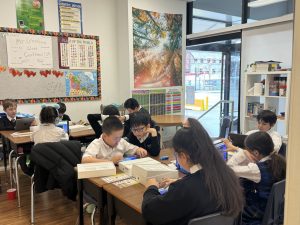
SEL reduces conflicts and creates smoother daily transitions. Because we offer small class sizes in our elementary school, our licensed teachers can provide the emotional safety students need to participate confidently. No student is “lost in the crowd,” ensuring every child feels seen and valued.
3. Lifelong Benefits: From Kindergarten to University
Children who develop early SEL skills become adaptable leaders. This “whole-child” approach creates a seamless pathway. Students who start with us in Kindergarten carry these skills through to our High School, where they engage with advanced programs like our Harvard-inspired Happiness Education course.
How SEL Looks in Columbia Academy’s Holistic Program
Daily Routines That Build Skills
- Morning Check-ins: Teachers help students identify their emotions before learning begins.
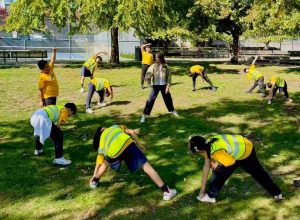
- Mindfulness & Yoga: Utilizing our large dance studio and multipurpose rooms, students participate in yoga and meditation clubs to learn stress management.
- Field Trips as Learning Tools: Being one of the few schools in downtown Vancouver allows us to use the city as our classroom. Visits to Science World, the Vancouver Aquarium, and the Public Library teach curiosity and global awareness.
Learning Through Arts and Play
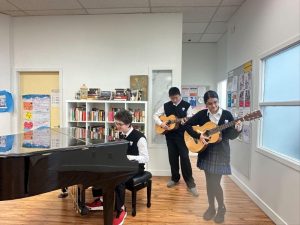
Students learn 3-4 musical instruments (recorder, ukulele, guitar, piano). This isn’t just about music; it’s about building the patience, perseverance, and confidence to perform, which are all key components of SEL.
Teaching Compassion Through Community Service
Empathy is learned by doing. Our elementary students actively participate in:
- Charity Sales & Food Drives: Supporting the Greater Vancouver Food Bank.
- Material Donations: Helping local organizations.
These authentic experiences help children understand their role in the wider community, a core value of independent schools in Vancouver.
How Parents Can Support SEL at Home
- Name Emotions: Help your child build an emotional vocabulary (“You seem frustrated because…”).
- Set Routines: Consistent bedtime and homework routines mirror the self-management skills we teach at school.
- Partner with Us: Communicate with teachers about your child’s peer interactions. Join our school events and see our supportive community in action.
Frequently Asked Questions About SEL
Q: Is Social-Emotional Learning the same as “Soft Skills”?
A: No. SEL is a structured, research-backed framework essential for cognitive development, not just “being nice.”
Q: Does focusing on SEL take time away from academics?
A: On the contrary. SEL strengthens academics by improving focus and motivation. Columbia Academy proves that academic rigor and emotional wellbeing go hand-in-hand.
Q: How do small class sizes help with SEL?
A: In a small class size elementary school setting, teachers notice changes in a child’s mood immediately and can intervene with support, ensuring no social conflict goes unresolved.
Conclusion – Choosing a School That Nurtures the Whole Child
Choosing the right school is about more than just rankings; it’s about finding a place where your child will be happy, supported, and challenged. Columbia Academy offers a holistic program where SEL, academics, arts, and community service come together in the heart of Yaletown.