Is your child easily distracted during homework? Feeling anxious before tests? You’re not alone. Many Vancouver parents say their children struggle to stay calm and focused in today’s fast-paced world. That’s where mindfulness for kids comes in: helping children focus better, reduce stress, and thrive in school.
According to the Canadian Mental Health Association, stress and anxiety are rising even among elementary-aged children. More families are asking the same question: Can mindfulness help children focus and feel happier at school?
At Columbia Academy Elementary School, the answer is a confident yes. As the only K-12 private school in downtown Vancouver, Columbia Academy has made mindfulness and yoga part of daily life, helping young learners build concentration, confidence, and calm from the very beginning of their education.

Built Into Our Foundation, Not an Add-On
When Columbia Academy was founded in 2014, mindfulness was included from day one. For our teachers, a focused mind is the foundation of learning.
At Columbia Academy’s Yaletown Campus, meditation is woven into each school day. Three times daily, students take guided moments to pause, breathe, and recentre under the support of trained teachers. Many of whom receive annual instruction from a Buddhist meditation master.
These short sessions take place in the school’s Multipurpose Room, a calm space designed for yoga, meditation, and mindful movement. This routine helps children restore focus between lessons, manage stress, and cultivate a peaceful mindset that supports learning and personal growth.
Mindfulness at Columbia Academy isn’t treated as a ‘wellness break’. It’s part of our academic rhythm that is woven into lessons, transitions, and even test preparation. When children know how to pause and breathe, they can handle challenges more confidently and absorb information more deeply.
As Principal Ben Lane explains:
“Columbia Academy strives to pair academic excellence with a healthy, balanced learning environment — helping students achieve their best while enjoying the process of learning.”
What Science and Experience Tell Us About Mindfulness for Kids
-
Better Focus and Learning Habits
Research from the University of British Columbia shows that mindfulness for kids programs can improve children’s attention by over 15%. At Columbia Academy, teachers notice it every day: students who practice mindfulness can follow instructions more easily, transition between subjects smoothly, and remember what they’ve learned.
Our approach builds lifelong study habits. Each student has daily homework and quiet reading time, but mindfulness helps them complete tasks without stress or distraction, turning effort into enjoyment.
-
Stronger Emotional Control
Parents often tell us their children used to cry, freeze, or get angry when things felt “too hard.” Through yoga and breathing practice, students learn to manage emotions and calm themselves. When frustration comes, they’ve learned to pause, take a deep breath, and try again.
“My daughter used to get overwhelmed by homework. Now she stops, breathes, and says, ‘I can do this.’ It’s amazing to see that change,” shares one Vancouver parent.
-
Healthier Bodies, Happier Minds
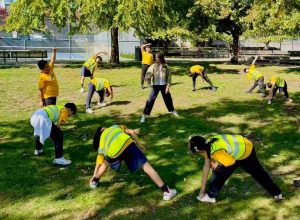
Mindfulness for kids at Columbia Academy also means movement. Our students stretch, balance, and practice yoga daily, strengthening both body and mind. Combined with outdoor play and physical education, this helps children stay active in a world filled with screens.
-
More Empathy and Friendship
Kindness grows through calmness. Mindful practices naturally build empathy and cooperation, key elements of social-emotional learning (SEL). Students reflect on how their actions affect others and learn to resolve conflicts peacefully.
They also join community service, such as charity drives and Food Bank donations, turning empathy into real-world action.
Looking Ahead: Raising Focused, Resilient Learners for the Future
In a world full of noise, the ability to focus calmly is one of the greatest gifts we can give our children. Mindfulness doesn’t just help them do better in school, it helps them grow into kind, confident, and self-aware young people ready for any challenge ahead.
While many schools are just discovering mindfulness, Columbia Academy has been guiding young minds through these practices for over a decade. For parents seeking a balanced education that nurtures both academic and emotional growth, it’s a model that works, and lasts.
Parent Takeaway: See the Difference Mindfulness Makes
At Columbia Academy, we believe a calm mind learns best. From daily yoga to quiet reading and thoughtful reflection, mindfulness shapes how our students think, feel, and connect.
Benefits You’ll See at Home:
- More focus and independence with homework
- Better emotional control and communication
Improved posture, confidence, and sleep
Frequently Asked Questions
Q: Why teach mindfulness at the elementary level?
A: Research from Canadian universities shows that mindfulness boosts children’s attention, emotional control, and empathy. Teaching these skills early helps students manage stress, build resilience, and enjoy learning, which can further develop into habits that benefit them for life.
Q: How does mindfulness support academic success?
A: A calm mind learns better. Students who practice mindfulness demonstrate stronger focus, better memory, and more motivation to complete homework. This daily practice complements our emphasis on reading, bilingual learning, and disciplined study habits.
Q: How is mindfulness different from meditation or yoga?
A: At Columbia Academy, mindfulness means paying attention with kindness. Yoga and meditation are tools that help achieve it. Yoga trains the body to relax and balance; meditation trains the mind to focus and reflect. Together, they nurture concentration, creativity, and calm.
Q: Who teaches mindfulness at Columbia Academy?
A: Our teachers receive professional training every year, including guidance from meditation experts. They integrate mindfulness into academic lessons, physical education, and even test preparation, helping students perform at their best without burnout.