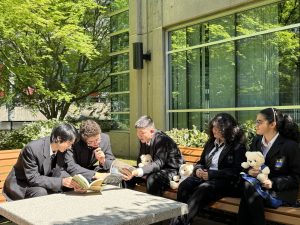
How much homework do private high school students get in Vancouver? The amount depends on the student’s grade, subjects, and school. Students in Grades 8–12 can expect regular homework, reading, projects, and exam preparation. A good homework routine helps students learn, stay organized, and prepare for university without losing time for sleep, family, and activities.
At Columbia Academy, a BC Ministry of Education-certified private K–12 school in downtown Vancouver, homework is an important part of academic learning. Students are encouraged to build strong study habits, manage their time, and take responsibility for their progress.
How Much Homework Do Private High School Students Get?
There is no single homework schedule for every private high school in Vancouver.
The amount of homework can change based on the grade, subjects, and type of assignment.
For example, a student taking advanced mathematics or science may need extra time to review challenging lessons. An English student may spend more time reading, writing essays, or preparing presentations.
What Does Homework Look Like in Grades 8–12?
| Grade Level | Common Homework Activities |
|---|---|
| Grades 8–9 | Reading, mathematics practice, short writing tasks, and projects |
| Grade 10 | More detailed assignments, science work, essays, and test preparation |
| Grade 11 | Advanced mathematics, research, academic writing, and course projects |
| Grade 12 | Senior-level coursework, exam preparation, research, and university-related planning |
This table shows common types of work, not fixed daily homework hours.
Students may have lighter evenings and busier weeks when projects or exams are due.
Parents should ask each school about its homework expectations and how teachers help students manage deadlines.
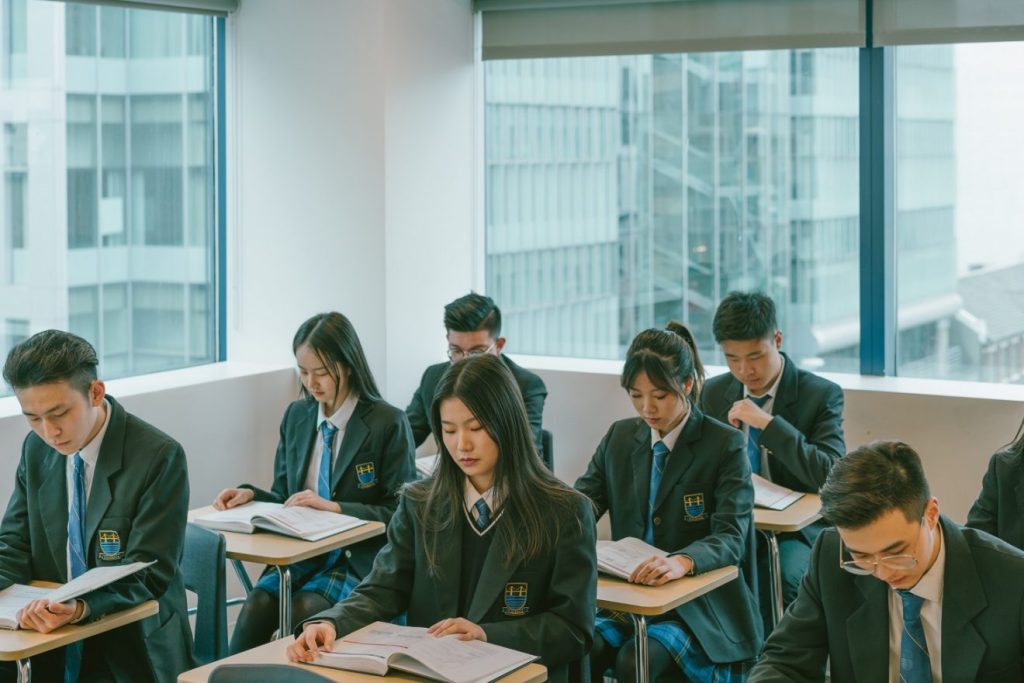
Why Is Homework Important in High School?
Homework gives students time to practise what they learn in class.
It also helps teenagers become more independent as they prepare for university and adult life.
1. Practising What Students Learn
Students may understand a lesson during class but need more practice to remember it.
For example, after learning a new mathematics formula, students may complete several problems at home.
This helps them find out what they understand and where they still need help.
Homework can also include reading a chapter, reviewing class notes, or preparing for the next lesson.
2. Building Responsibility and Time Management
As students move through high school, they must manage more subjects and deadlines.
Homework gives them regular opportunities to practise planning their time.
Students learn to:
- Record assignments and due dates
- Decide which tasks to complete first
- Prepare for tests before the last minute
- Break large projects into smaller steps
- Take responsibility for unfinished work
These habits become especially useful in Grades 11 and 12, when students are preparing for graduation and university.
The BC Curriculum’s Personal Awareness and Responsibility framework highlights goal-setting, responsibility, and asking for help as important student skills.
3. Preparing for University
University students often need to manage reading, assignments, exams, and projects with greater independence.
Building good homework habits in high school can make this transition easier.
At Columbia Academy, academic learning focuses on both subject knowledge and the study habits students need for future success.
How Does Columbia Academy Support Students With Homework?
Columbia Academy’s high school program serves Grades 8–12 at its Coal Harbour Campus in downtown Vancouver.
The school combines a structured academic approach with small classes and opportunities for teacher feedback.
Small Classes Help Students Understand Their Work
Sometimes homework feels difficult because a student did not fully understand a lesson.
In a smaller classroom, teachers have more opportunities to notice when students are confused and explain topics again.
For example, a student struggling with a chemistry question can ask for help during class before trying similar problems at home.
Students can also receive feedback on their writing, problem-solving, and classroom work.
This does not mean homework will always be easy. Students still need to practise, review lessons, and complete assignments.
However, strong classroom support can help students feel more prepared to work independently.
Parents can learn more about how small class sizes support high school learning in Vancouver.
English Language Support for International Students
Homework can be more challenging for students who are still improving their English.
An international student may understand a science topic but need extra time to read the instructions or write an answer.
Columbia Academy provides English Language Learner (ELL) support based on students’ language needs.
As students improve their reading, writing, and communication skills, they can become more confident in completing academic assignments.

How Can High School Students Manage Homework Without Feeling Overwhelmed?
Students need enough time to complete their schoolwork, but they also need time to rest.
The goal is to develop a routine that supports both learning and well-being.
Here are five practical ways students can manage their workload.
1. Create a Daily Homework Routine
Try to complete homework at a regular time each day.
A simple routine could include:
- Arriving home and taking a short break
- Checking assignments and deadlines
- Starting with the most important task
- Taking short breaks when needed
- Reviewing completed work before putting it away
Students should choose a routine that fits their school schedule and activities.
2. Break Large Assignments Into Small Steps
Large projects can feel stressful when students try to finish everything at once.
For example, an English essay can be divided into smaller tasks:
- Choose a topic.
- Create an outline.
- Write the first draft.
- Review and improve the writing.
- Submit the final assignment.
Completing one step at a time can make the work feel easier to manage.
3. Avoid Leaving Homework Until the Last Minute
Waiting until late at night can make homework feel more difficult.
Students may feel tired, lose focus, or rush through their work.
Starting earlier gives them more time to ask questions and improve their answers.
4. Use a Homework Planner
A planner helps students see what needs to be done.
It can be a notebook, school calendar, or digital planner.
| Task | Example |
|---|---|
| Homework | Complete mathematics questions |
| Project | Prepare an English presentation |
| Test | Review for Friday’s science test |
| Activity | Attend Wednesday’s school club |
| Deadline | Submit research assignment |
Students should review their planner each day and update it when teachers assign new work.
5. Ask for Help Early
Students should not feel embarrassed when they do not understand an assignment.
Asking a teacher for help is part of learning.
Parents can also encourage students to speak up rather than spending hours on a task they do not understand.
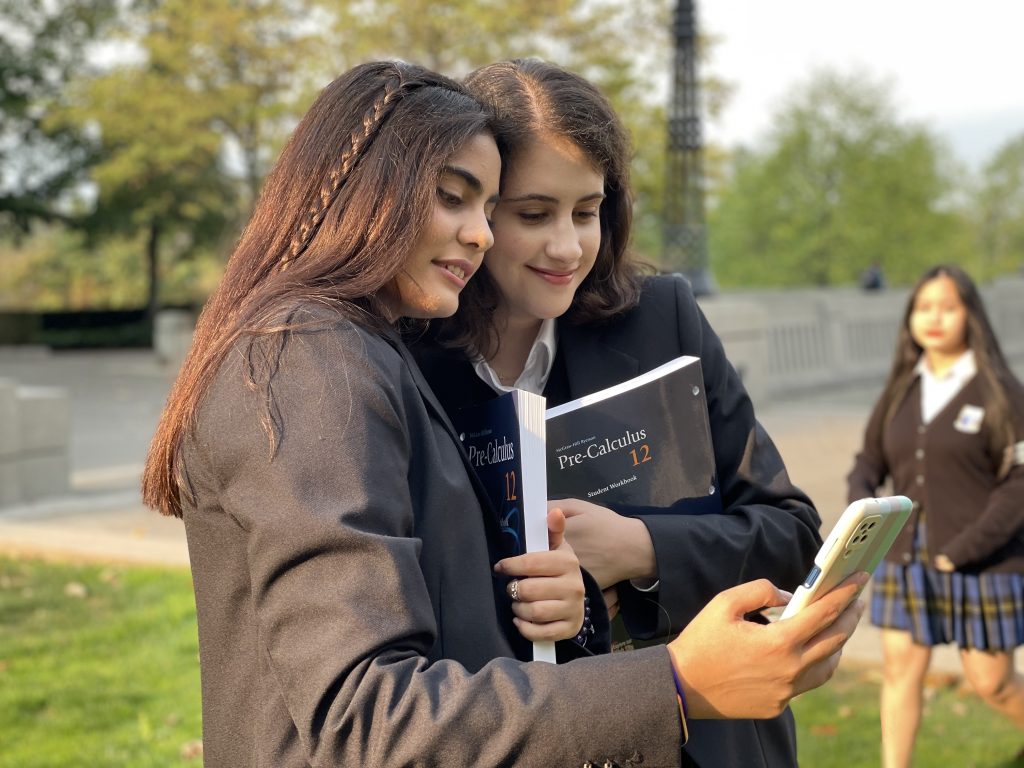
How Can Students Balance Homework and Extracurricular Activities?
A balanced high school experience includes more than academic work.
Students also benefit from friendships, physical activity, hobbies, family time, and enough sleep.
At Columbia Academy, students have opportunities to join academic competitions, clubs, volunteering, and community activities.
The school offers more than 40 charity, performance, and volunteer events each year.
These activities give students chances to build leadership, teamwork, and communication skills outside the classroom.
Why Is Balance Important?
A student who spends every evening studying may have little time for other important parts of life.
The Public Health Agency of Canada’s guidance on sleep and movement notes that teenagers aged 14–17 should get 8–10 hours of sleep each night.
This is one reason students should plan homework around a healthy sleep routine.
A Balanced After-School Routine
Here is an example. It is not an official Columbia Academy schedule.
| Time | Example Activity |
|---|---|
| 3:30 PM | Arrive home and take a break |
| 4:00 PM | Homework or study |
| 5:00 PM | Exercise, hobbies, or club activities |
| 6:00 PM | Dinner and family time |
| 7:00 PM | Continue homework or prepare for a test |
| 8:00 PM | Prepare for the next school day and relax |
The best routine depends on the student’s course load, travel time, extracurricular activities, and family needs.
Students should also adjust their plans during exam weeks or when large projects are due.
Do Grade 11 and Grade 12 Students Have More Homework?
Grade 11 and Grade 12 often bring more challenging assignments.
Students may study advanced mathematics, sciences, English, and elective courses that help prepare them for university.
They also need to think about graduation credits and future academic goals.
At Columbia Academy, senior high school students can explore Advanced Placement (AP) opportunities, depending on their academic readiness and course availability.
AP courses can require additional reading, practice, and exam preparation.
How Can Senior Students Prepare?
Students can manage their workload by:
- Reviewing notes after class
- Starting projects early
- Creating a weekly study plan
- Setting aside extra time before tests
- Asking teachers for feedback
- Avoiding too many demanding commitments at once
Strong study habits matter as much as the number of hours spent studying.
Students who plan their work carefully can make better use of their time.
What Can Parents Do if Their Child Struggles With Homework?
Parents do not need to solve every homework problem for their teenagers.
Instead, they can help students develop routines and learn to work independently.
Start With a Simple Conversation
If your child spends a long time on homework, ask:
- Which subject is taking the most time?
- Is the work difficult or unclear?
- Are several assignments due at once?
- Is your child getting enough sleep?
- Does your child know how to ask the teacher for help?
These questions help parents understand the problem before trying to solve it.
Encourage Independence
Parents can help students build good habits without completing the work for them.
For example, rather than reminding a teenager about every assignment, parents can encourage them to check their planner each evening.
Over time, students can become more responsible for managing their own learning.
Know When to Contact the School
If homework regularly takes much longer than expected, affects sleep, or causes ongoing stress, parents should contact the teacher or school.
The goal is to understand why the student is struggling and find suitable support.
This is especially important when a student is adjusting to high school or learning in a new language.
Families with younger teenagers may find our guide to transitioning to high school in Vancouver useful for building study routines and independence.
What Should Parents Ask About Homework Before Choosing a Private High School?
When comparing private high schools in Vancouver, parents should ask how the school manages academic expectations and supports students.
Useful questions include:
- How much homework is normally assigned in each grade?
- Does homework increase in Grades 11 and 12?
- How do teachers communicate deadlines?
- What happens when a student struggles with an assignment?
- How does the school support students learning English?
- Can students balance homework with clubs and activities?
- How do parents receive updates about academic progress?
These questions can help families choose a school that matches their child’s learning needs and goals.
Discover Columbia Academy’s High School Program
Columbia Academy is a BC Ministry of Education-certified private K–12 school serving local and international families.
Its Grades 8–12 program is located at 602 West Hastings Street, Coal Harbour, downtown Vancouver, with convenient access to public transit.
Students learn in small classes and have opportunities to develop academic skills, confidence, and independence.
The school also offers AP courses, mathematics competitions, clubs, and community activities for students interested in challenging themselves beyond regular classroom learning.
Families are welcome to learn more about the high school program and discuss academic expectations with the admissions team.
As class sizes are kept small and places may be limited, applying early is encouraged.
Frequently Asked Questions About High School Homework
How much homework do private high school students get in Vancouver?
Homework varies by school, grade, and course. Students can expect reading, writing, mathematics practice, projects, and exam preparation. Parents should ask the school for its current homework expectations rather than assume every student has the same daily workload.
How many hours of homework should high school students have?
There is no single amount that fits every student. Homework time depends on subject difficulty, grade level, learning needs, and upcoming exams. Students should have enough time for sleep, family, and other activities.
Do private high schools assign more homework than public schools?
Not always. Homework depends on the individual school, teachers, and courses. Some private schools have structured daily assignments, while others use longer projects and independent study.
Is homework harder in Grade 11 and Grade 12?
Homework often becomes more demanding as students take advanced courses and prepare for graduation. Good planning, regular review, and teacher feedback can help them manage the work.
How can parents help teenagers manage homework?
Parents can encourage a regular study routine, help students use a planner, provide a quiet study space, and encourage them to ask teachers for help. They should also pay attention to sleep and stress.
Does Columbia Academy give homework every day?
Columbia Academy places strong emphasis on regular homework, assignments, and study habits. The amount and type of work can vary by course. Families should ask the school about current expectations for their child’s grade and subjects.
Can students balance homework with extracurricular activities?
Yes. Many students can balance schoolwork with clubs, volunteering, sports, and family time by planning ahead and managing their commitments. Students who feel overloaded should talk with their teachers or families about their schedule.
Final Answer: How Much Homework Should High School Students Have?
Private high school homework in Vancouver varies by grade, subject, and school. Students should expect regular assignments that help them practise classroom learning, build responsibility, and prepare for future education.
The goal is not simply to complete more homework. It is to help students understand their lessons, build strong study habits, and manage their time while maintaining a healthy balance.
At Columbia Academy, homework is part of a structured academic experience supported by small classes, teacher feedback, and opportunities for learning beyond the classroom.
As a BC Ministry of Education-certified private K–12 school in downtown Vancouver, Columbia Academy welcomes families seeking strong academics and personal growth.
Parents can explore Columbia Academy’s Grades 8–12 high school program to learn more about the curriculum, classroom experience, and admissions process.
Contact Columbia Academy
- Coal Harbour Campus (Grades 8–12): 602 West Hastings Street, Vancouver, BC
- Phone: 778-379-6811
- Email: Info@ColumbiaAcademy.ca
Discover how Columbia Academy helps students develop the knowledge, confidence, and study habits needed for high school and beyond.