The transition to high school in Vancouver is an important milestone for both students and parents. Families can make the transition smoother by establishing good routines, keeping communication open, staying connected with the school, and gradually encouraging students to take more responsibility for their learning and daily life.
The goal is not to remove every challenge. It is to help your child feel ready to handle new teachers, harder schoolwork, new friends, and more independence.
For many Vancouver students, Grade 8 is the start of a new secondary-school environment. A little preparation can make the first weeks much easier.
Why the Move to High School Matters
High school can feel very different from elementary school.
Students may have:
- More teachers
- More subjects
- More homework
- New classmates
- A larger school environment
- More responsibility for deadlines
- More choices about clubs and activities
This change can be exciting, but it can also feel stressful.
Parents do not need to manage everything for their child. A better goal is to help them learn how to manage school on their own.
British Columbia’s curriculum focuses not only on subject knowledge but also on communication, thinking, and personal and social skills. Parents and schools both play a role in helping students build these skills. BC Core Competencies
1. Start Building a High School Routine Early
One of the best ways to prepare for high school is to create a simple daily routine before school starts.
Your child should know when to:
- Wake up
- Leave for school
- Complete homework
- Pack their school bag
- Prepare clothes for the next day
- Go to bed
Try not to organize every detail for them.
Instead, help your child create the routine and then let them practise following it.
For example, rather than packing their school bag each night, ask:
“What do you need for tomorrow?”
This small change helps students become more independent.
2. Help Your Child Learn to Manage Schoolwork
High school students often have assignments from several teachers at the same time.
A simple planner can help.
Students can write down:
| What to Track | Example |
|---|---|
| Homework | Math questions |
| Tests | Science test Friday |
| Projects | English presentation |
| Activities | Math Club Wednesday |
| Deadlines | Essay due October 15 |
Check the planner with your child at first.
As they become more confident, let them manage it on their own.
This is an important part of the transition from elementary school to high school.
3. Talk About High School Without Creating Pressure
Parents naturally want their children to succeed.
However, starting high school is already a major change. Too much pressure can make the change harder.
Ask simple questions such as:
- What was the best part of your day?
- Was anything confusing today?
- Which class do you enjoy most?
- Have you met anyone new?
- Is there anything you want help with?
Try to listen before giving advice.
Sometimes a student simply needs time to explain what happened.
4. Help Your Child Get Comfortable Asking for Help
High school students need to learn that asking for help is normal.
Encourage your child to speak with a teacher when they:
- Do not understand an assignment
- Miss a lesson
- Need extra practice
- Have trouble meeting a deadline
- Are unsure about a course
This skill becomes even more important as students move toward Grades 10–12.
B.C. schools must help students understand graduation requirements and provide guidance with course planning and selection. The provincial Graduation Program later requires students to complete specific courses, at least 80 credits, and provincial literacy and numeracy assessments. B.C. graduation requirements
Building good communication habits in Grade 8 can make this later planning much easier.
5. Support Friendships and School Involvement
Friends can make a new school feel familiar much faster.
Encourage your child to join at least one activity that interests them.
It could be:
- A club
- Sports
- Music
- Student leadership
- Volunteering
- Academic competitions
They do not need to join everything.
One or two activities can be enough to meet people and feel part of the school.
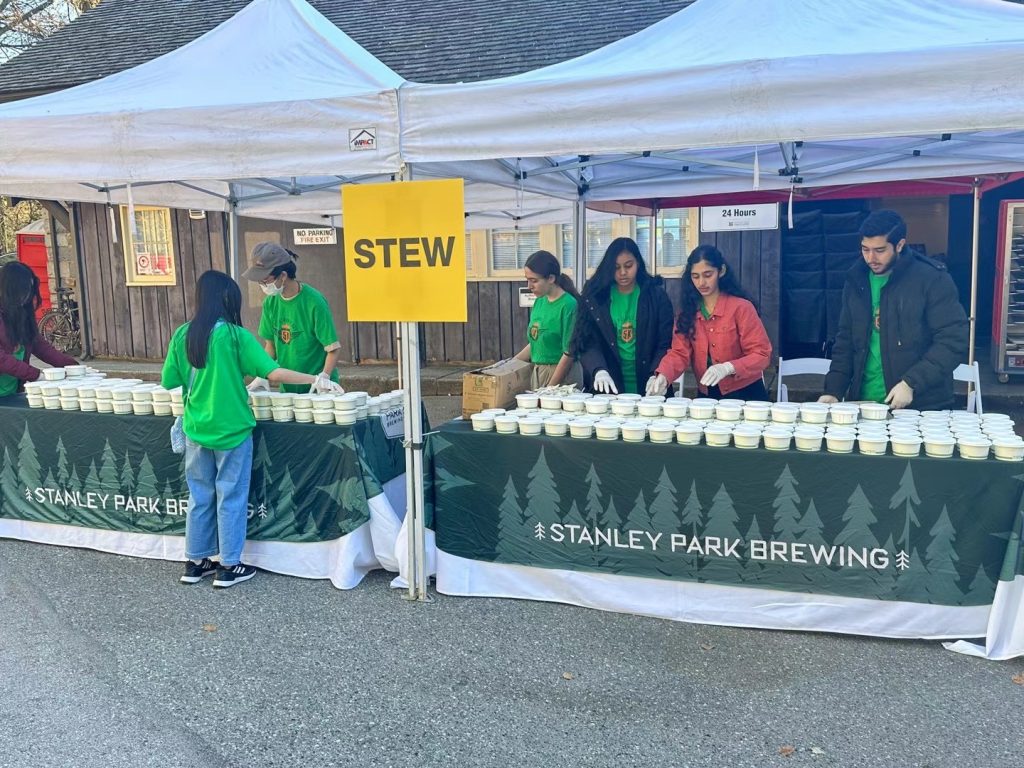
At Columbia Academy, students take part in academic competitions, clubs, volunteering, charity projects, performances, and school events throughout the year. The school reports more than 40 activities and volunteer opportunities annually, giving students many ways to become involved.
6. Give Your Child More Independence Step by Step
High school students need more independence, but it should not happen overnight.
Parents can slowly give their child responsibility for:
- Checking homework
- Remembering materials
- Emailing a teacher
- Getting to class on time
- Studying for tests
- Choosing activities
- Keeping track of deadlines
Mistakes will happen.
That is part of learning.
If a student forgets an assignment once, use it as a chance to ask what system could prevent the same problem next time.
The goal is to build responsibility, not perfection.
7. Pay Attention to the First Few Weeks
The first weeks of school can tell parents a lot.
Watch for changes in:
- Sleep
- Homework habits
- Interest in school
- Friendships
- Organization
- Class participation
One difficult day does not mean there is a serious problem.
But if the same challenge keeps happening, contact the school early.
Small problems are often easier to solve before they become bigger ones.
8. Make Sure the School Environment Fits Your Child
The school itself can make a big difference during a transition.
When comparing a private high school in Vancouver, parents should ask:
- How large are the classes?
- How easily can students speak with teachers?
- What happens when a student falls behind?
- Is ESL support available?
- How does the school help new students make friends?
- Are there clubs and activities?
- How does the school communicate with parents?
- How is course planning handled?
Small classes can be especially useful during a transition because teachers have more opportunities to notice when a student needs help.
At Columbia Academy, small classroom settings are designed to give teachers more opportunities to support individual students.
Families considering Grade 8 can also read our guide to choosing a private high school for Grade 8 students in Vancouver.
9. Give English Learners Time to Adjust
The move to high school can be more challenging for students who are also learning English.
They are learning:
- New subjects
- New school routines
- New academic vocabulary
- New ways to communicate with teachers
- New social language
Parents should not expect everything to become easy immediately.
Look for a school where English support is connected to daily learning.
At Columbia Academy, ESL support is available within the high school program. Small classes also give English learners more chances to ask questions and practise speaking.
International families can learn more about ESL support at Vancouver private high schools.

10. Think About the Years Ahead — But Focus on Grade 8 First
University may seem far away when a child starts Grade 8.
Parents should not make every Grade 8 decision about university.
The first goal is to build:
- Strong learning habits
- Confidence
- Independence
- Communication skills
- Good reading and writing habits
- Healthy involvement in school
Those habits create a foundation for later course planning.
When students reach Grades 10–12, course choices become more important because they connect to B.C. graduation requirements and university admission requirements.
Parents who want to understand that next stage can read our guide to Grade 10, 11 and 12 course planning.
How Columbia Academy Supports the Transition to High School
Columbia Academy is a private K–12 school in downtown Vancouver that follows the B.C. curriculum. Our Grade 8–12 program is based at the Coal Harbour Campus, 602 West Hastings Street, with convenient access to public transit for students and families.
For students entering Grade 8 or joining the school in later grades, Columbia Academy provides a supportive learning environment with small classes, teacher guidance, academic support, ESL assistance, clubs, competitions, volunteering, charity activities, and school events.
Families can learn more about the Columbia Academy High School Program for Grades 8–12.
Some highlights of the high school program include:
- 100% university acceptance among graduates
- 90% acceptance to QS Top 50 universities
- AP-certified school and official AP testing centre
- Top-five results in B.C. mathematics competitions
- 40+ school, community, and volunteer activities each year
- Three-term system, allowing the three-year high school program to be completed in two years
- A diverse student community that is approximately half local and half international, with international students representing more than 20 countries
These opportunities become increasingly important as students progress through high school. For a student beginning Grade 8, however, there is no need to focus on everything at once.
A strong start comes first.A strong start comes first.

A Simple First-Month Plan for Parents
Before School Starts
Visit the school if possible.
Plan the route to school.
Set a sleep and morning routine.
Make sure your child understands the basic school schedule.
During Week 1
Focus on getting comfortable.
Ask about teachers, classmates, lunch, and the daily routine.
Do not worry about perfect grades yet.
During Weeks 2–3
Check homework habits and organization.
Encourage your child to join one activity.
Ask whether any subject feels difficult.
By the End of Month 1
Talk about what is working well.
Choose one thing your child wants to improve.
Contact the school if a problem keeps happening.
Then give your child more responsibility as they become comfortable.
FAQ: Transition to High School in Vancouver
How can parents help their child transition to high school?
Parents can help by creating routines, teaching organization, listening to their child’s concerns, encouraging them to ask teachers for help, and supporting healthy friendships and activities. Give your child more independence gradually instead of managing everything for them.
How do I prepare my child for Grade 8 in Vancouver?
Start with practical skills. Help your child practise using a planner, keeping track of homework, preparing their school bag, following a morning routine, asking questions, and getting to school on time.
What should Grade 8 students expect in high school?
Grade 8 students may have more teachers, different classrooms, harder assignments, new classmates, and greater responsibility. They may also have more clubs, activities, electives, and chances to make their own decisions.
How long does it take to adjust to high school?
Every student is different. Some students feel comfortable quickly, while others need more time. Parents should focus on steady progress rather than expecting the student to adjust immediately.
Should parents contact teachers during the high school transition?
Yes. Parents should contact the school when a problem continues or when their child needs support. At the same time, students should gradually learn to speak with teachers themselves.
What should parents look for in a Vancouver high school?
Look at class size, teacher access, academic support, ESL support if needed, school culture, extracurricular activities, course planning, location, and communication with families. The right environment should help a student become more confident and independent.
Final Answer: How Can Parents Support the Transition to High School Vancouver?
The best way to support students is to provide guidance while gradually encouraging greater independence.
Help your child build routines. Teach them to organize schoolwork. Talk with them regularly. Encourage friendships and activities. Stay connected with teachers when needed. Most importantly, give your child time to adjust.
A supportive school environment can make that transition easier.
At Columbia Academy, small classes, academic guidance, ESL support, and a diverse Grade 8–12 community help both local and international students settle into high school and prepare for the years ahead.
Families interested in our downtown Vancouver high school program are encouraged to learn more and apply early, as space in each grade is limited.