A child being overlooked at school often shows small, quiet signs — not big ones. They might stop talking about their day, fade into the background in a large class, or say “I’m fine” when they clearly are not. In big classrooms, even caring teachers have too many students to notice every child every day.
Here are seven signs worth a closer look, and what more individual attention can change.
Why Some Children Get Overlooked
It is rarely anyone’s fault. In a class of 28 or 30, a teacher’s attention is spread thin. The children who ask for help get it. The ones who stay quiet — who do not act out and do not raise their hand — can slip through, day after day.
Research on schools consistently shows that smaller classes give teachers more time for each student. You can read the province’s own overview of class size and composition in BC to see why this matters for how much attention each child receives.
Quiet children are the most likely to be overlooked — not because they need less, but because they ask for less.
7 Signs Your Child May Need More Individual Attention
1. They’ve Gone Quiet About School
They used to share stories from their day. Now you get one-word answers. A child who stops talking about school may feel unseen there.
2. Their Confidence Is Slipping
They say things like “I’m not smart” or “I’m bad at math.” A child who is noticed and encouraged rarely talks this way.
3. They Fade Into the Background
Teacher comments say “quiet,” “shy,” or “could participate more” — term after term. That pattern can mean your child is easy to miss in a big group.
4. Small Problems Aren’t Getting Caught
A reading gap or a math struggle grows for weeks before anyone notices. In a large class, early signs are easy to overlook until they become big ones.
5. They Don’t Want to Go
Morning stomachaches, foot-dragging, “I don’t feel well” on school days. Sometimes a child who feels invisible would rather not go at all.
6. They Have No Strong Connection to a Teacher
Ask your child which teacher they’d go to with a problem. If they can’t name one, that’s worth noticing.
7. Their Spark Is Dimming
The curiosity, the questions, the excitement about a favourite subject — if these are fading, your child may not be getting the individual attention that keeps them lit.
Being Overlooked Is Not the Same as Falling Behind
Here’s an important, honest point: a child being overlooked is often doing fine on paper. Their grades may be average, their behaviour easy. That’s exactly why it’s missed. The issue isn’t failure — it’s potential going unnoticed.
Organizations focused on children’s wellbeing note that feeling seen and connected at school is central to a child’s mental health. In fact, the Government of Canada’s research on belonging and safety at school found that while most students feel they belong at their school, a meaningful share — roughly 10 to 20% — do not share that sense of belonging. A child who feels invisible can be quietly unhappy long before it shows in a report card.
What Smaller Classes Actually Change
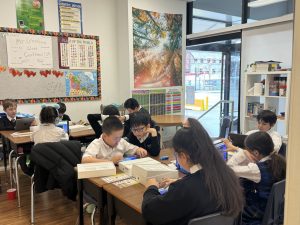
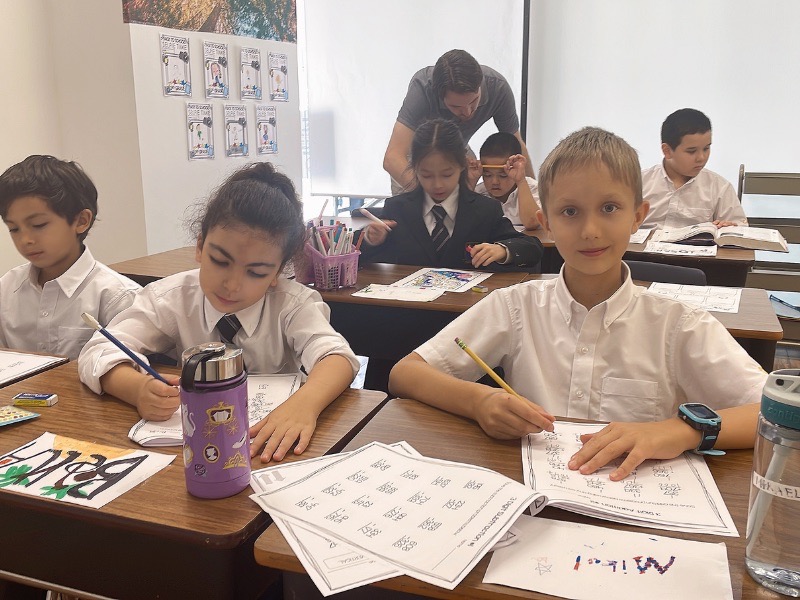
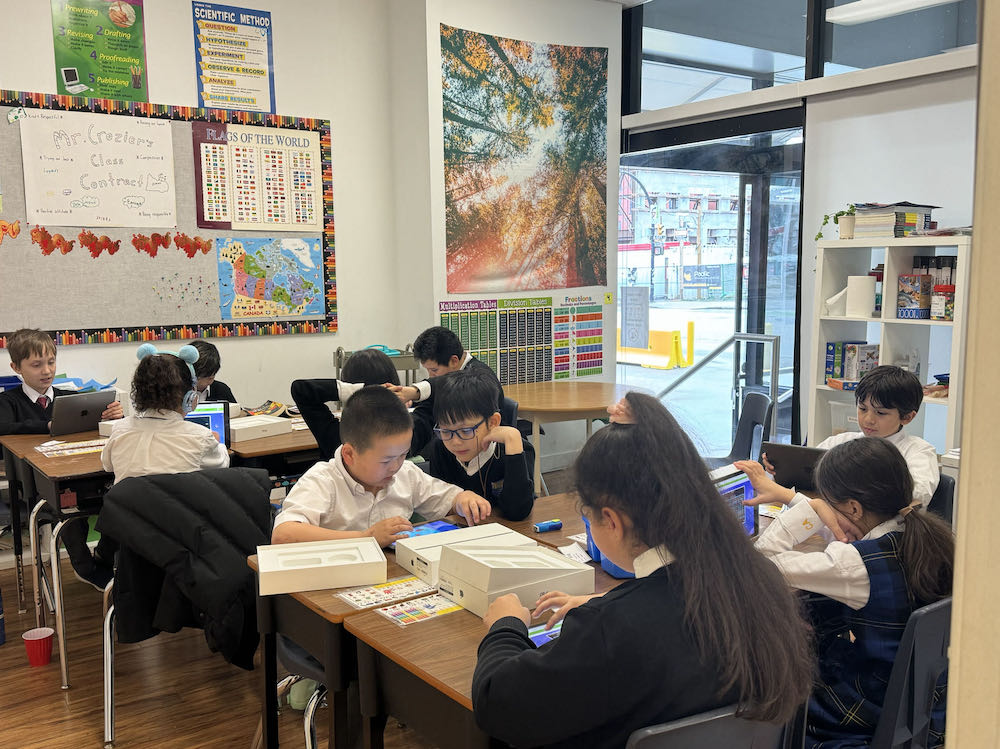
The single biggest fix for an overlooked child is a classroom small enough for the teacher to know them. At Columbia Academy, our K–7 program is built on small classes for exactly this reason — teachers learn each child’s strengths, moods, and struggles within the first few weeks.
Here’s what that looks like day to day:
- A teacher notices when a normally cheerful child goes quiet.
- Reading gaps get caught early, thanks to daily reading time and personal attention — not months later.
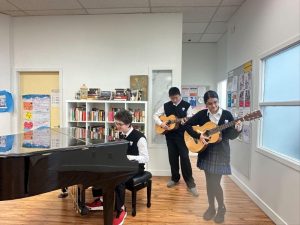
- Quiet children get drawn in through music (every student learns 3–4 instruments), clubs, and small-group work where there’s nowhere to disappear.
- ESL learners aren’t left behind. Children still building English get support woven into the day, so language never becomes the reason they’re overlooked.
- Yoga and meditation give every child a calm moment and a chance to be heard.
If you’re weighing your options, our comparison of private vs public school in Vancouver looks honestly at how class size and attention differ between the two.
What You Can Do Right Now
Before changing anything, try these steps:
- Ask your child directly: “Do you feel like your teacher knows you?”
- Request a meeting with the current teacher and share what you’ve noticed.
- Watch for patterns, not one bad day.
- Visit other schools and ask specifically about class size and how they support quiet students.
If a school switch feels like the right move, our guide on transferring to a private elementary school in BC walks through the process step by step.
FAQ: When a Child Is Being Overlooked at School
How do I know if my child is being overlooked at school?
Watch for quietness about their day, slipping confidence, “shy” or “quiet” on every report card, and no strong bond with any teacher. These signs together suggest your child may need more individual attention.
Is my quiet child being ignored in class?
Not on purpose — but quiet children are the easiest to overlook in large classes because they ask for less. Smaller classes make it far harder for any child to fade into the background.
Do smaller class sizes really help children?
Yes. Smaller classes give teachers more time per student, so struggles get caught early and quiet children get drawn in. This is one of the clearest, best-supported benefits of small-class teaching.
Should I switch schools if my child feels invisible?
Not always — start with a teacher meeting. But if the pattern continues and the class is very large, a smaller school where teachers know every child by name can make a real difference.
Final Answer: Trust What You’re Noticing
If you suspect your child is being overlooked at school, trust that instinct — you know your child better than any class list. The seven signs above rarely appear alone, and they rarely fix themselves in a classroom that’s simply too big. The most reliable solution is a class small enough that no child can disappear.
One honest note: small-class schools have limited seats by design, and they fill early. If individual attention is what your child needs, it’s worth acting sooner rather than later.
Want to see what personal attention looks like? Explore our K–7 program at Columbia Academy or call 778-379-6811 to visit our Yaletown Campus — come see how our teachers know every child by name.