How do international students adjust to high school in Vancouver? Most students settle in within 3 to 6 months when they have the right support. The three things that help most are ESL support, small class sizes, and a welcoming school community.
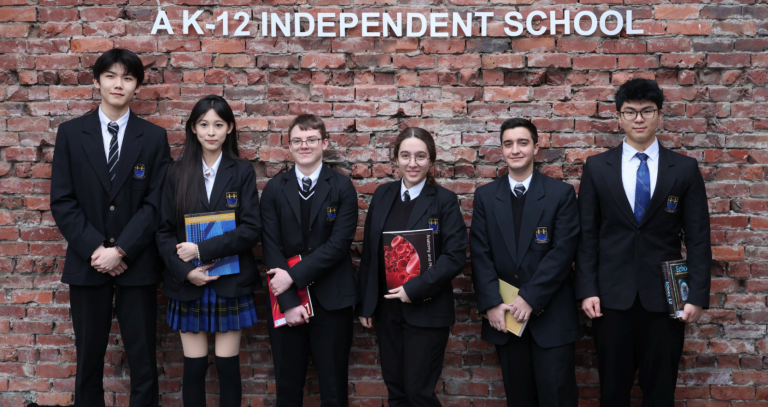
At Columbia Academy, a private high school in downtown Vancouver, we welcome students from more than 20 countries every year. We have helped hundreds of teens make this exact move. This guide explains what the adjustment really looks like — and how to make it easier.
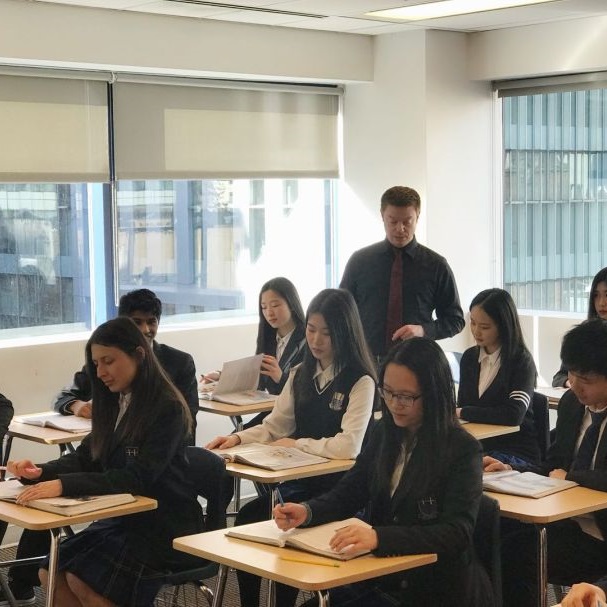
What Makes Adjusting to a Vancouver High School Hard?
Moving to a new country as a teenager is a big step. Most international students face the same four challenges:
- Language. Classes, homework, and even jokes are all in English.
- New school system. The BC curriculum uses discussion, projects, and class participation. Many students come from systems built on memorization and exams.
- Making friends. It takes courage to start conversations in a second language.
- Homesickness. Missing family and food from home is normal, especially in the first two months.
The good news? Every one of these challenges gets easier with time and the right school support.
The Adjustment Timeline: What to Expect
Here is a simple timeline based on what we see at Columbia Academy each year:
| Time Period | What Usually Happens |
|---|---|
| Month 1 | Excitement mixed with culture shock. Everything feels new. |
| Months 2–3 | The hardest stretch. Homesickness peaks. English improves daily. |
| Months 4–6 | Routines form. Friendships grow. Grades stabilize. |
| Month 6+ | Most students feel at home. Confidence takes off. |
Every student is different. Some adjust in weeks. Others need a full school year. Both are normal.
How ESL Support Helps International Students Succeed
Language is the biggest hurdle, so this is where school support matters most.
At Columbia Academy, ESL support is built into the school day. Students get help with academic English — the kind needed to write essays, give presentations, and understand science texts. This is different from everyday English, and it is the skill universities look for.
Our teachers also know how to teach students who are still learning English. They slow down, check for understanding, and never let a student fall behind quietly.
Why Small Class Sizes Make the Difference
In a class of 30, a shy student learning English can hide all year. In a small class, that cannot happen — in a good way.
Small classes mean:
- Teachers notice right away when a student is confused
- Students get more chances to speak English out loud
- Asking questions feels safe, not scary
This is one reason why small class sizes matter so much in high school, especially for students adjusting to a new language and culture.

A School Community Built for International Students
Adjustment is not just about academics. Students need to feel they belong.
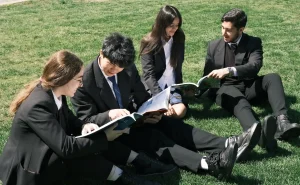
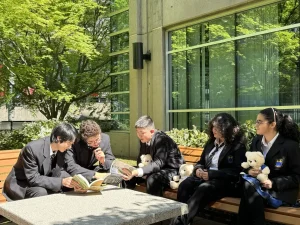
Columbia Academy hosts more than 40 school events every year — clubs, competitions, field trips, and cultural celebrations. These events give students natural ways to make friends without the pressure of starting a conversation from zero.
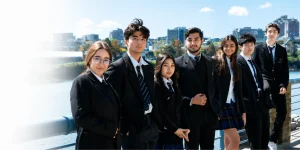
Because our students come from over 20 countries, no one is “the only new kid.” Many classmates remember exactly what the first month feels like, and they help each other through it.
Our Coal Harbour Campus at 602 West Hastings Street sits in the heart of downtown Vancouver, steps from SkyTrain and bus lines. Students travel to school safely and easily. Parents often ask about this, and we wrote a full guide on safety in downtown Vancouver for high school students to answer those questions honestly.
Academic Results: What Adjustment Leads To
Adjusting well is not the end goal. University is. Here is what strong support produces at Columbia Academy:
- 100% university acceptance for our graduates
- 90% accepted to Top 50 universities (QS World Rankings)
- AP-certified school and AP testing center — students take AP courses and exams on campus
- Top 5 in BC math contests — international students often shine here first, even while their English is still growing
Columbia Academy is certified by the BC Ministry of Education and follows the full BC curriculum. You can read how the province inspects and certifies BC independent schools on the official government website. Graduates earn the same BC Dogwood Diploma as every public school student — a diploma trusted by universities worldwide.
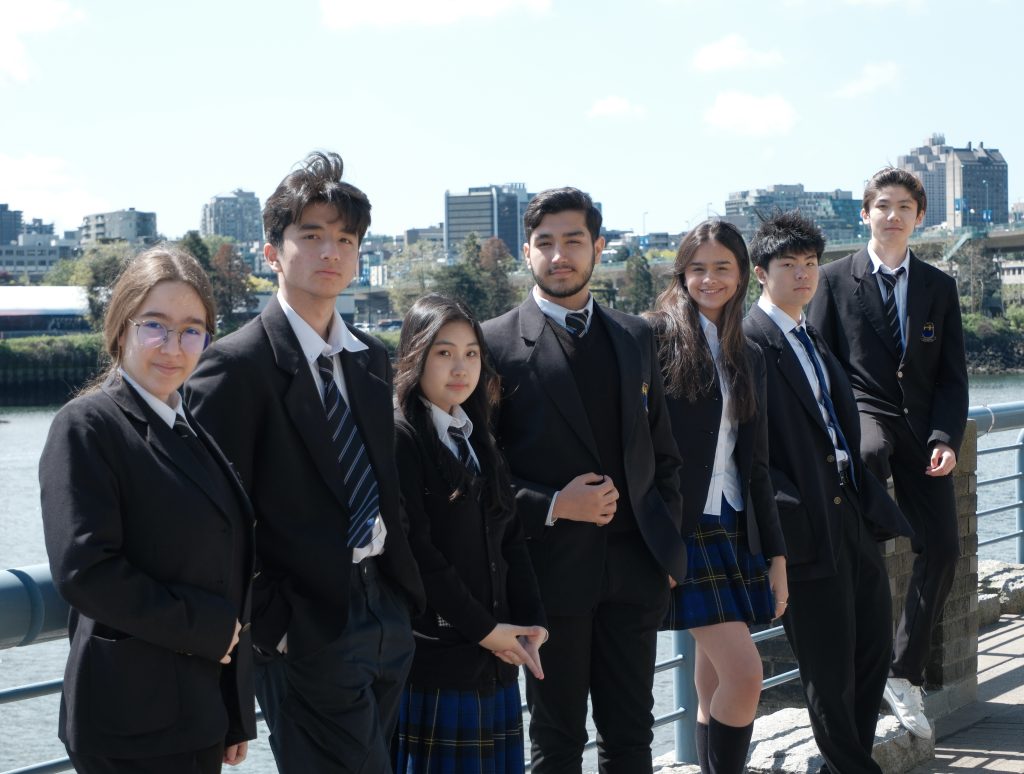
Practical Steps Before Arriving in Vancouver
A smooth adjustment starts before the flight. Families should:
- Sort out the study permit early. Most international students under 18 need one. The Government of Canada explains the rules for minors studying in Canada, including custodian requirements.
- Apply to the school early. Seats in our high school program are limited, and classes are kept small on purpose. Applying early also gives more time for the study permit.
- Practice everyday English. Watching shows, reading, and speaking at home all help.
- Plan the arrival date. Starting in September is easiest, but it is not the only option. Students can also join a private high school mid-year in Vancouver when families need a faster start.
To be honest with families: the first months take real effort, even at a supportive school. Students who join clubs, ask for help, and speak English daily adjust much faster than those who wait for it to happen on its own.
FAQ: International Students at Vancouver High Schools
How long does it take international students to adjust to school in Canada?
Most students feel settled within 3 to 6 months. Language confidence usually takes 6 to 12 months. Support like ESL classes and small class sizes speeds this up.
Do Vancouver private schools offer ESL support?
Many do, but the depth varies. At Columbia Academy, ESL support is woven into daily learning, not treated as a side program. Ask any school you visit exactly how ESL support works day to day.
Can international students join high school mid-year in Vancouver?
Yes. Columbia Academy accepts qualified students during the school year when seats are available. Mid-year entry works best with early planning, since study permits take time.
What do international students need to study in high school in BC?
Most students under 18 need a study permit, a letter of acceptance from the school, and a custodian if a parent is not living with them in Canada. Requirements are set by the Government of Canada.
Is downtown Vancouver a good location for international students?
Yes. Downtown Vancouver is walkable, well-lit, and connected by SkyTrain and buses. Students reach school, libraries, and activities without needing a car.
Final Answer: How Do International Students Adjust to High School in Vancouver?
International students adjust to high school in Vancouver best when three things come together: strong ESL support, small classes where teachers know every student, and a community that makes belonging easy. Most students feel at home within 3 to 6 months — and go on to strong results, including university acceptance.
Columbia Academy’s high school program for Grades 8–12 was built around exactly this kind of support, right in downtown Vancouver.
Seats are limited each year, so we encourage families to apply early. If you would like to see how your child would fit in, we would love to show you our Coal Harbour Campus and answer your questions.