Students need strong grades, the right high school courses, good English skills, and meaningful activities for top university admission. They must also plan early and learn how to show their skills, interests, and personal growth.
High marks matter, but marks alone may not be enough. Top universities often look at the full student, including course choices, written applications, leadership, activities, and readiness for university study.
What Are the Main Top University Admission Requirements?
Admission rules are different for each university and degree. However, most strong applications include the following:
- High grades in Grade 11 and Grade 12
- Required courses for the chosen degree
- Strong English reading and writing skills
- Advanced courses when they are a good fit
- Activities outside the classroom
- Leadership, service, or competition experience
- A clear and honest personal application
- Careful planning before deadlines
Students should always check the exact rules for each program. For example, UBC explains that students must meet its general, English-language, and degree-specific admission requirements for Canadian high school students.

1. Strong Grades in the Right Courses
Good grades are an important part of top university admission. However, students also need to take the correct courses.
A student who wants to study engineering may need senior-level math, chemistry, and physics. A student interested in business may need strong English and mathematics courses. Program requirements can be very different.
Students should:
- Research possible university programs early
- Check the required Grade 11 and Grade 12 courses
- Build a course plan with a teacher or advisor
- Keep steady grades throughout high school
- Ask for help before small learning gaps become larger
UBC advises students to choose their Grade 11 and Grade 12 courses based on the degrees they may want to study. Families can use its official university course-planning guide as a starting point.
High Grades Must Be Supported by Real Skills
A high mark is helpful, but students must also understand the subject. University classes move quickly. Students need to read difficult material, solve problems, write clearly, and study on their own.
At Columbia Academy, small classes allow teachers to notice when a student needs more support or a new challenge. Teachers can give direct feedback, explain difficult ideas, and help students improve their study habits.
2. A Clear High School Graduation Plan
Students in British Columbia must meet the provincial graduation rules before they can receive the Dogwood Diploma.
The B.C. Graduation Program requires students to complete at least 80 credits and the required literacy and numeracy assessments. Families can review the full B.C. high school graduation requirements on the provincial government website.
| Area | What Students Need |
|---|---|
| Graduation | Complete the B.C. graduation requirements |
| Grades | Earn strong marks in key academic subjects |
| Courses | Take all courses required by the chosen university program |
| English | Build strong reading, writing, speaking, and research skills |
| Activities | Show meaningful involvement outside class |
| Planning | Track deadlines, documents, and application requirements |
Graduating from high school and qualifying for a competitive university program are not always the same thing. A student may meet the basic graduation rules but still be missing a course needed for science, business, engineering, or another degree.
This is why university planning should begin before Grade 12.
3. Strong English Reading and Writing Skills
English skills affect almost every part of a university application.
Students may need to:
- Read complex questions
- Write personal responses
- Explain their experiences
- Complete essays or supplemental applications
- Understand textbooks and research
- Speak clearly during an interview
This can be challenging for both local students and students learning English as an additional language.
At Columbia Academy, students complete regular reading and writing work. ESL support helps students build vocabulary, sentence structure, speaking confidence, and academic writing skills.
Teachers also give clear feedback. A student may begin with short sentences and simple ideas. With regular practice, the student can learn to write organized paragraphs, explain evidence, and share deeper ideas.

4. Advanced Courses and AP Classes
Advanced Placement courses can help qualified students study university-level topics while they are still in high school.
AP courses may help students:
- Explore a subject in greater depth
- Build stronger study habits
- Prepare for university-level work
- Show academic interest and readiness
- Earn possible university credit, depending on the institution and exam result
Students should not take an AP course only because it looks impressive. The course should match the student’s interests, skills, schedule, and future goals.
Columbia Academy is an AP-certified school and official AP testing centre. Students in our Grade 8–12 high school program can explore AP options as part of a wider academic plan.
Small classes also help teachers decide when a student is ready for advanced work. This can prevent students from taking on too much before they have the basic skills they need.
5. Meaningful Activities Outside the Classroom
Top universities may want to know what a student does outside regular classes. Activities can show commitment, curiosity, teamwork, leadership, and care for others.
Useful experiences may include:
- School clubs
- Volunteer work
- Music and arts
- Sports
- Math or writing competitions
- Public speaking
- Charity events
- Student leadership
- Personal projects
- Part-time work or family duties
Students do not need to join every club. One or two meaningful activities can be more valuable than a long list with little involvement.
For example, a student who stays with a math club for three years, helps younger students, and takes part in competitions can show growth and commitment. Another student may organize a charity event and explain what they learned about teamwork and responsibility.
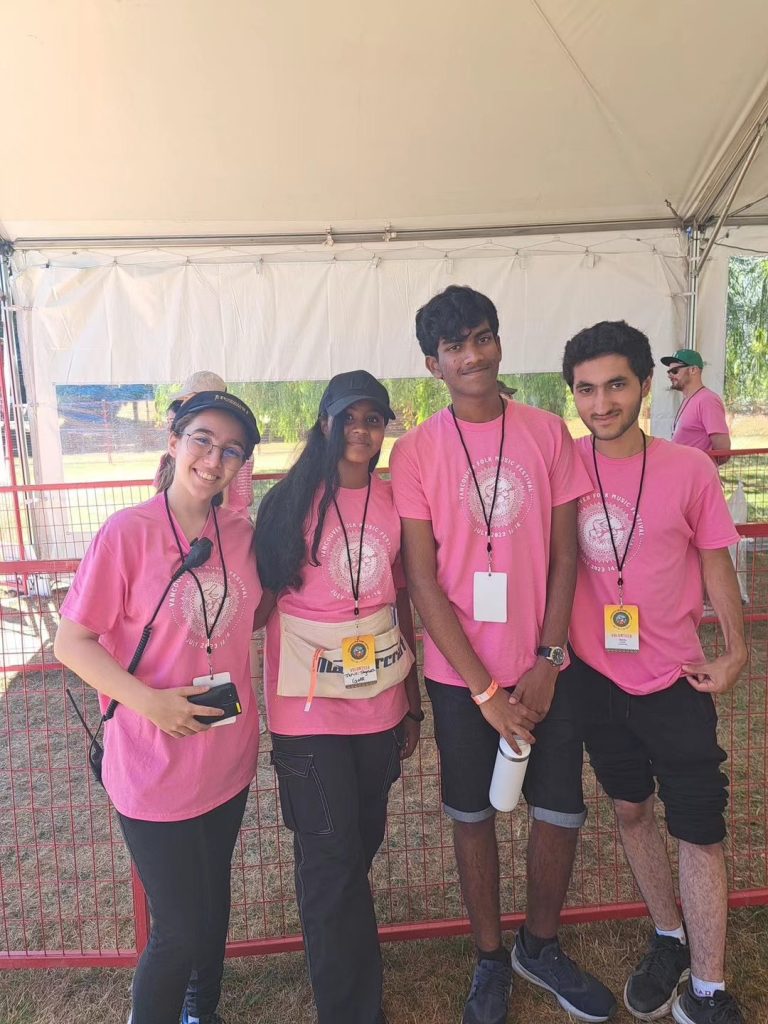
Columbia Academy holds more than 40 school events each year. Students can take part in competitions, performances, volunteering, charity work, and school clubs. Columbia Academy students have also placed among the top schools in B.C. math contests.
Parents who are comparing schools can learn more about the factors that support university preparation in our guide on what to look for when choosing a high school in Vancouver.
6. A Strong Personal Application
Some universities ask students to complete a personal profile, essay, portfolio, interview, or supplemental application.
This part helps the university understand the student beyond grades.
A strong personal response should:
- Answer the question directly
- Use a real example
- Explain what the student did
- Show what the student learned
- Be written in the student’s own voice
- Be checked for spelling and clarity
Students should avoid writing what they think the university wants to hear. Honest and specific examples are usually stronger than broad claims.
For example, “I am a good leader” is not very helpful by itself. A student should explain when they led a team, what problem they faced, what action they took, and what they learned.
7. Early University and Career Planning
Students should not wait until the final months of Grade 12 to begin planning.
A simple timeline can help:
Grades 8–9
- Build strong study and homework habits
- Improve English, math, and research skills
- Explore clubs, sports, arts, and community activities
- Learn which subjects are most interesting
Grade 10
- Learn about possible careers and degree programs
- Review B.C. graduation requirements
- Begin planning senior-level courses
- Take part in activities that have real meaning
Grade 11
- Check university program requirements
- Choose the correct Grade 12 courses
- Build a list of possible universities
- Prepare for English-language tests when required
- Continue activities and leadership roles
Grade 12
- Track application deadlines
- Request transcripts and other documents
- Complete personal profiles or supplemental forms
- Apply for scholarships
- Keep grades strong after submitting applications
Students who need help choosing a school pathway can also read our Vancouver private school admissions guide.
How Columbia Academy Supports University Preparation
Columbia Academy is a private K–12 school in downtown Vancouver. It is certified by the B.C. Ministry of Education and supports both local and international students.
Our Coal Harbour Campus for Grades 8–12 is located at 602 West Hastings Street. The central location is close to public transit and is easy to reach from many parts of Metro Vancouver.
The high school program includes:
- Small classes and direct teacher support
- Personal university planning
- AP courses and an official AP testing centre
- English and ESL support
- Academic competitions
- More than 40 events each year
- Students from over 20 countries
- Opportunities for leadership, service, and personal growth
Columbia Academy reports that 100% of its graduates have received university offers, with 90% receiving offers from universities ranked in the QS world top 50. Rankings and admission results can change each year, and no school can promise acceptance to a specific university.
These outcomes come from careful planning, student effort, family support, and regular guidance. Students are still expected to attend class, complete their work, meet deadlines, and take responsibility for their progress.

Frequently Asked Questions
What grades do students need to get into a top university?
There is no single grade that guarantees admission. The needed average depends on the university, degree, number of applicants, and required courses. Competitive programs often expect strong grades, especially in Grade 11 and Grade 12 academic subjects.
Do universities only care about Grade 12 marks?
Universities may review Grade 11 and Grade 12 courses and marks. The exact process depends on the institution, program, and time of application. Students should keep steady grades throughout senior high school.
Do students need AP courses for top university admission?
No. AP courses are not required for every university or degree. However, they can show academic readiness when they match the student’s goals and the student can manage the workload.
How can high school students prepare for university admission?
Students can prepare by researching programs, selecting the right courses, earning strong grades, improving English skills, joining meaningful activities, and tracking application deadlines.
When should students start preparing for top university admission?
Students can begin building good learning habits in Grades 8 and 9. More detailed course and university planning should usually begin by Grade 10 or Grade 11.
Is a private high school helpful for university preparation?
A private high school may provide smaller classes, more direct support, advanced courses, and personal planning. Parents should compare each school’s teaching quality, student support, course options, outcomes, and learning environment.
Final Answer: What Do Students Need for Top University Admission?
For top university admission, high school students need strong grades, the correct senior courses, good English skills, meaningful activities, and an honest application. They also need to begin planning early and understand the exact rules for each university program.
A supportive high school can help students select courses, improve weak areas, prepare advanced work, and stay on track. However, the student’s effort and consistency remain essential.
Columbia Academy offers a structured high school program for local and international students in downtown Vancouver. Because class sizes and program spaces are limited, families should apply early and allow enough time for academic planning.
Learn more about Columbia Academy’s Grade 8–12 high school program and how it supports students on their path to university.