Choosing the right school during the middle years is an important decision for Vancouver families. As children move toward their teenage years, they become more independent, face increasing academic expectations, and begin preparing for high school.
If you are researching Vancouver middle schools, you may be comparing public and private schools, looking for smaller classes, or wondering which learning environment will best support your child’s academic and personal development.
One important detail is that Vancouver’s school system differs from the traditional middle school structure found in many other cities. Most public school students attend elementary school through Grade 7 before moving to secondary school in Grade 8.
This guide explains how middle school education works in Vancouver, the options available to families, and the important factors to consider when choosing a school.
What Grades Are Considered Middle School in Vancouver?
In many parts of North America, middle school refers to Grades 6–8. However, most public schools in Vancouver follow a different structure.
| School Level | Typical Grades in Vancouver |
|---|---|
| Elementary School | Kindergarten–Grade 7 |
| Secondary School | Grades 8–12 |
| Middle School | Often refers to Grades 6–8, but is not a standard separate level in Vancouver public schools |
This means students in Grades 6 and 7 typically remain in elementary school, while Grade 8 students begin secondary school.
Some private and independent schools organize their programs differently, offering dedicated middle-years divisions or additional support during the transition to secondary education.
For parents searching for middle schools in Vancouver, it is therefore important to look beyond the school’s name and understand how it supports students in Grades 6, 7, 8, and 9.
You can also visit the Vancouver School Board for information about public school programs and the Grade 7 to Grade 8 transition.
Public vs. Private Middle Schools in Vancouver
Families exploring Vancouver middle schools generally have two main options: public education and private or independent education.
Both follow provincial educational requirements, but their approaches, programs, admission procedures, and learning environments may differ.
| Factor | Public Schools | Private / Independent Schools |
|---|---|---|
| Grade Structure | Generally K–7 and 8–12 | Varies by school |
| Tuition | Generally free for eligible domestic students | Tuition typically required |
| Class Size | Varies by school and grade | Varies; some offer smaller classes |
| Curriculum | BC Curriculum | BC Curriculum at BC-certified schools, with possible enrichment |
| Admissions | Generally based on residency and district procedures | School-specific application and admission process |
| Enrichment | Depends on school and program | Depends on school and program |
| Academic Support | School-based support services | School-specific support approaches |
Neither option is automatically better for every student.
Public schools may provide convenient neighbourhood access and a broad range of educational opportunities. Private schools may appeal to families seeking a particular educational philosophy, smaller classes, specialized enrichment, or a more structured learning environment.
The best choice depends on your child’s learning needs, interests, personality, and long-term goals.
What Makes a Good Middle School in Vancouver?
Whether you are considering a public school or a private middle school in Vancouver, several factors can help you evaluate the quality of the learning experience.
1. Strong Academic Foundations
The middle years are an important time for developing the knowledge and learning habits students will need in high school.
A strong academic program should help students develop:
- Reading comprehension and clear written communication
- Mathematical reasoning and problem-solving
- Scientific thinking and curiosity
- Critical thinking and independent research
- Organization, time management, and effective study habits
Parents should look beyond test results and consider whether students receive the right balance of academic challenge and individual support.
Students who develop strong foundational skills before Grade 8 may feel more prepared to manage the increasing demands of secondary school.
2. Small Class Sizes and Individual Attention

Class size is another important consideration when comparing Vancouver middle schools.
Smaller classes can create more opportunities for teachers to understand individual learning needs, monitor progress, and provide timely feedback.
This can be especially helpful during the middle years, when students develop at different academic and social rates.
At Columbia Academy’s private elementary school in downtown Vancouver, classes are capped at 15 students, creating opportunities for focused instruction and personalized academic support.
When visiting a prospective school, parents should ask how teachers support students who need additional help as well as those who are ready for more challenging work.
3. Academic Enrichment and Opportunities for Growth
A good middle school education should extend beyond textbooks and regular classroom assignments.
Students benefit from opportunities to explore their strengths and discover new interests through activities such as:
- Mathematics and science competitions
- Music, arts, and creative projects
- Sports and physical education
- Student clubs and collaborative activities
- Community service and leadership opportunities
These experiences can help students build confidence, communication skills, teamwork, and independence.
For academically motivated students, enrichment opportunities also provide ways to apply classroom knowledge to real-world challenges.

4. Social and Emotional Development
Academic achievement is important, but the middle years are also a period of significant social and emotional development.
Students begin forming stronger personal identities, developing friendships, and taking greater responsibility for their decisions.
When evaluating a school, parents should consider how it supports student well-being, positive relationships, and a sense of belonging.
A supportive learning environment should encourage students to ask questions, seek help, work with others, and learn from mistakes.
5. Preparation for High School
One of the most important considerations when choosing a middle school in Vancouver is how effectively it prepares students for Grade 8 and beyond.
The transition from elementary to secondary school often involves:
- More demanding academic assignments
- Multiple subject teachers
- Greater expectations for independent learning
- New classmates and social environments
- Increased responsibility for schedules and homework
Schools that help students develop organizational skills, confidence, and academic independence can make this transition easier.
Parents should ask how prospective schools prepare Grade 7 students for secondary education and what support is available during Grade 8.
Vancouver Middle School Options: What Should Parents Compare?
There is no single best middle school for every family. A school that is ideal for one child may not be the right fit for another.
When building a shortlist of Vancouver schools, parents can use the following comparison framework.
| What to Compare | Questions to Ask |
|---|---|
| Grade Structure | Does the school serve Grades 6–8 or follow K–7 and 8–12? |
| Academics | How does the school support different learning abilities? |
| Class Size | How many students are typically in each classroom? |
| Enrichment | Are clubs, competitions, arts, and leadership opportunities available? |
| Student Support | How do teachers monitor student progress and well-being? |
| High School Transition | What preparation is provided before Grade 8? |
| Tuition | What are the total fees, including additional costs? |
| Location | Is the daily commute practical for the family? |
When possible, arrange a campus visit and speak with the admissions team or school administrators.
Observing the learning environment can provide valuable insight into classroom expectations, school culture, and how students interact with teachers.
How Columbia Academy Supports Students Through the Middle Years
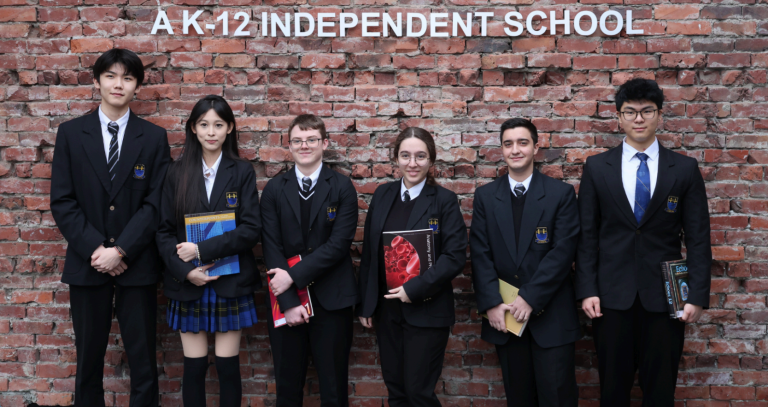
Columbia Academy is a BC-certified independent K–12 school located in downtown Vancouver. The school offers two programs that support students through the middle years and into high school.
Grades 6–7: Building Foundations at the Yaletown Campus
Columbia Academy Elementary School — Kindergarten to Grade 7
Location: 792 Beatty Street, Yaletown, Vancouver
Students in Grades 6 and 7 continue developing academic knowledge, independent study habits, and personal responsibility within Columbia Academy’s elementary program.
The school emphasizes:
- Small classes capped at 15 students
- BC Curriculum with structured academic expectations
- Regular homework and daily reading
- Music, language learning, and enrichment
- Independent thinking and character development
These experiences help students strengthen the foundations needed for secondary school.
Learn more about our Elementary School K–7 Program.
Grades 8–9: Transitioning to High School at the Coal Harbour Campus
Columbia Academy High School — Grades 8–12
Location: 602 West Hastings Street, Downtown Vancouver
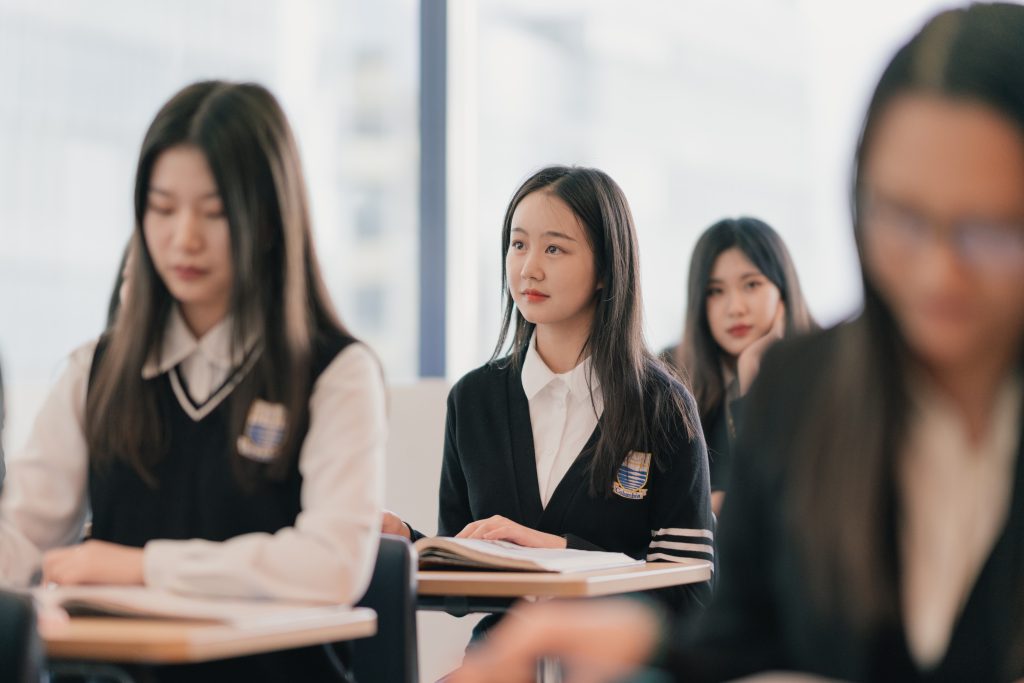
At Columbia Academy, students enter the high school program in Grade 8.
The early high school years provide opportunities to strengthen subject knowledge, explore academic interests, and develop greater independence.
Students study core subjects within the BC Curriculum while participating in activities designed to encourage academic achievement and personal development.
Columbia Academy’s high school experience is guided by five core pillars:
- Academics
- Volunteering
- Charity
- Competitions
- Clubs
Together, these pillars support students in developing knowledge, leadership, teamwork, and a sense of community.
The school also offers Advanced Placement (AP) opportunities in its high school program, supporting students as they progress toward graduation and university preparation.
Explore our High School Program for Grades 8–12.
Why the Transition from Grade 7 to Grade 8 Matters
For Vancouver students, the move from Grade 7 to Grade 8 is often one of the biggest changes in their school experience.
Students may need to adjust to new teachers, more demanding courses, unfamiliar classmates, and greater responsibility for their academic progress.
Parents can help their children prepare by encouraging:
- Consistent homework and reading routines
- Time management and organizational skills
- Confidence in asking teachers for assistance
- Participation in clubs, sports, or creative activities
- Open conversations about academic and social concerns
At Columbia Academy, families have access to both K–7 elementary and Grades 8–12 high school programs within the same school organization.
This provides families with the option of continuing their child’s education through the middle years and into secondary school.
However, families should still discuss the Grade 8 transition and admission requirements directly with the school.
How Much Does Private Middle School Cost in Vancouver?
Tuition is an important consideration for families exploring private middle schools in Vancouver.
Fees vary according to the school, grade level, programs, and services offered.
Parents should consider not only tuition but also additional expenses such as uniforms, school supplies, transportation, extracurricular activities, and application fees.
Some schools may offer scholarships or financial assistance, depending on their policies.
Before applying, families should request a current fee schedule and ask which expenses are included.
For information about Columbia Academy, visit our Tuition and Fee Schedule.
When Should Parents Start Looking for a Middle School?
It is helpful to begin researching schools well before the intended entry date, particularly when considering private or independent education.
Starting early gives parents time to compare academic programs, visit campuses, understand admission requirements, and prepare application documents.
For students approaching Grade 8, Grade 7 is an especially important time to review available secondary school options.
Public school placement procedures and private school admission timelines may differ, so parents should confirm current requirements directly with each school.
Families interested in Columbia Academy can contact the admissions team to learn about available grades, application procedures, and campus tours.
Frequently Asked Questions About Vancouver Middle Schools
Are there middle schools in Vancouver, BC?
Vancouver’s public school system generally follows a Kindergarten–Grade 7 elementary and Grades 8–12 secondary school structure. Some private or independent schools may organize their middle-years programs differently. Parents should confirm the grade configuration of each school.
What grades are middle school in Vancouver?
Middle school commonly refers to Grades 6–8 in North America. In Vancouver, however, Grades 6–7 are typically part of elementary school, while Grade 8 is part of secondary school.
Are there private middle schools in Vancouver?
Yes. Private and independent schools in Vancouver offer different grade configurations, including programs serving students in the middle years. Some have dedicated middle school divisions, while others follow a K–7 and Grades 8–12 structure.
What should parents look for in a Vancouver middle school?
Parents should consider academic quality, class size, teacher support, student well-being, extracurricular opportunities, location, and preparation for high school. The best choice is a school that meets the individual needs of the child.
Is a private middle school better than a public school?
Not necessarily. Both public and private schools can offer strong educational experiences. Private schools may provide different class sizes, educational approaches, or enrichment opportunities, while public schools offer a broad range of programs. Families should compare individual schools rather than assuming one system is always better.
Does Columbia Academy offer a middle school program?
Columbia Academy offers Kindergarten–Grade 7 at its Yaletown campus and Grades 8–12 at its Coal Harbour campus. Although it does not operate a separately designated middle school, its programs serve students throughout the middle years and provide a pathway into high school.
How can parents prepare their child for Grade 8?
Parents can encourage strong study habits, organization, independent learning, positive social relationships, and open communication. Visiting the prospective high school and discussing the transition with teachers can also help students feel more prepared.
Final Thoughts: Choosing the Right Middle School in Vancouver
Choosing among Vancouver middle schools is about more than academic rankings or school reputation. The right learning environment should help students build confidence, develop strong academic foundations, discover their interests, and prepare for the next stage of education.
For families exploring private middle school options, factors such as class size, individual attention, academic expectations, and high school preparation deserve careful consideration.
At Columbia Academy, our K–7 and Grades 8–12 programs support students across these important developmental years, combining academic learning with opportunities for personal growth.
Explore Columbia Academy in Downtown Vancouver
Interested in learning whether Columbia Academy is the right fit for your child?
We welcome families to explore our programs, speak with our admissions team, and arrange a campus tour.
Elementary School (K–7): 792 Beatty Street, Vancouver, BC
High School (Grades 8–12): 602 West Hastings Street, Vancouver, BC
Phone: 778-379-6811
Email: Info@ColumbiaAcademy.ca