Discover the British Columbia kindergarten curriculum and how it promotes foundational learning through play-based methods, core competencies, and child-centered instruction.
The kindergarten years are among the most critical in a child’s educational journey. In British Columbia, the kindergarten curriculum is carefully designed to support early development through exploration, creativity, and the cultivation of essential life skills. With a strong focus on play-based learning and individualized instruction, British Columbia provides a holistic approach to early childhood education.
This article provides a comprehensive look at what the British Columbia kindergarten curriculum entails, how it supports child development, and what parents can expect during this foundational stage.
Core Principles of the BC Kindergarten Curriculum
The kindergarten curriculum in British Columbia is guided by three central principles:
1. Play-Based Learning
Play is the foundation of early learning. The BC kindergarten curriculum emphasizes structured and unstructured play as a way for children to develop motor skills, social awareness, cognitive flexibility, and creativity. Through play, children explore new ideas, solve problems, and build relationships in a low-pressure, high-engagement environment.
2. Competency Development
The curriculum emphasizes the development of three core competencies that extend beyond academic content:
-
Communication: Children learn to express themselves, listen to others, and understand various forms of communication.
-
Thinking: This includes both creative and critical thinking, helping children explore new ideas and make thoughtful decisions.
-
Personal and Social Responsibility: Students develop an understanding of themselves and others, learning empathy, responsibility, and ethical decision-making.
3. Personalized Learning
Recognizing that every child learns differently, the curriculum encourages teachers to adapt their instruction based on individual student needs, interests, and learning styles. Teachers observe students and adjust content and activities to ensure each child is both supported and challenged appropriately.
Areas of Learning in Kindergarten
The British Columbia kindergarten curriculum integrates traditional subjects into a holistic learning model. Key areas of focus include:
Language Arts
-
Early literacy development through phonics, storytelling, shared reading, and vocabulary building
-
Emphasis on oral language, listening skills, and print awareness
Mathematics
-
Introduction to number concepts, counting, basic addition and subtraction
-
Pattern recognition, shapes, measurement, and sorting
Science
-
Encouraging curiosity about the natural world through observation, inquiry, and hands-on activities
-
Topics such as weather, plants, animals, and basic physical properties
Social Studies
-
Understanding families, communities, and the concept of identity
-
Exploration of rules, responsibilities, and cultural awareness
Physical and Health Education
-
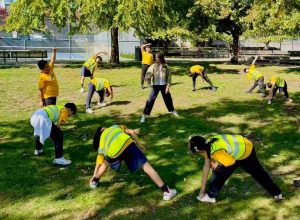
Gross and fine motor development through games, movement, and active play
-
Learning about healthy habits, personal safety, and emotional well-being
Arts Education
-
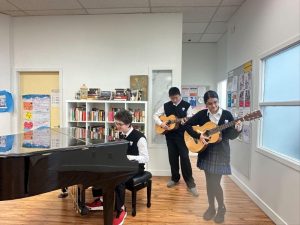
Exploration of visual arts, music, dance, and drama
-
Emphasis on self-expression, collaboration, and imagination
Applied Design, Skills, and Technologies
-
Introduction to basic design thinking through creative play and problem-solving
-
Encouragement of innovation and hands-on exploration
Indigenous Perspectives
The British Columbia kindergarten curriculum includes the integration of Indigenous worldviews and knowledge. Children are introduced to stories, traditions, and languages that reflect the province’s Indigenous heritage, fostering respect and cultural understanding from an early age.
Classroom Experience and Structure
In practice, a kindergarten day in British Columbia may include:
-
Morning routines and circle time
-
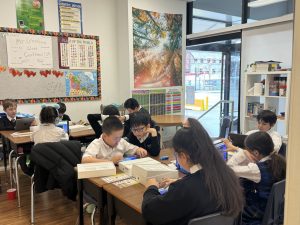
Rotating learning centers with guided and independent activities
-
Outdoor exploration and physical play
-
Art and music time
-
Snack and quiet reading or reflection time
Teachers use ongoing assessment methods such as observation, student portfolios, and one-on-one conversations to monitor progress. Formal report cards may be supplemented with narrative reports or conferences that provide a fuller picture of a child’s development.
Assessment and Reporting
Kindergarten assessment in BC is not based on grades but on descriptive feedback and developmental milestones. Teachers document a child’s progress across the core competencies and learning areas using anecdotal records, work samples, and observational data. Parents are engaged throughout the process with regular updates, learning conferences, and opportunities to view student portfolios.
Preparing Children for Lifelong Learning
The British Columbia kindergarten curriculum is not just about preparing children for Grade 1—it’s about laying the groundwork for lifelong learning. The curriculum aims to instill curiosity, resilience, collaboration, and a love for discovery. By focusing on both academic and emotional development, it helps children enter school confident, capable, and eager to learn.
Final Thoughts
The British Columbia kindergarten curriculum is one of the most comprehensive and child-centered frameworks in Canada. With its emphasis on play-based learning, personalized instruction, and the development of core competencies, it offers young learners the support and freedom they need to thrive.
Whether your child is just beginning their educational journey or you are exploring kindergarten options, understanding this curriculum is key to making informed decisions. It ensures that your child receives the right balance of structure, creativity, and care—essential components of a successful early learning experience.