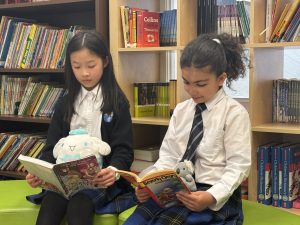
What Are Small Class Sizes in Elementary Schools?
A small class size typically means 15–20 students or fewer per teacher. In elementary schools, this setup allows for more direct instruction, greater classroom engagement, and stronger academic outcomes. While many public schools average 22–30+ students per class, private and independent schools often offer significantly lower student-teacher ratios.
Why Small Class Sizes Matter in Elementary School
✅ 1. More Individual Attention
Teachers in smaller classes can identify each student’s strengths and challenges more easily. This allows for personalized instruction, targeted support, and greater academic progress.
✅ 2. Fewer Distractions
With fewer students, teachers spend less time on classroom management and more on teaching—creating a focused and efficient learning environment.
✅ 3. Improved Participation
Students in small classrooms are more likely to ask questions, contribute to discussions, and stay engaged in activities.
✅ 4. Faster Academic Intervention
Instructors can spot and address learning gaps quickly before they become larger problems, especially in subjects like math and reading.
✅ 5. Stronger Teacher-Student Relationships
With fewer students to manage, teachers can build meaningful relationships and better understand each child’s social-emotional needs.
Ideal Class Sizes for Elementary Learning
| Grade Level | Ideal Class Size (Recommended) |
|---|---|
| Kindergarten | 15–18 students |
| Grades 1–3 | 16–20 students |
| Grades 4–7 | 18–22 students |
Many top-performing schools strive to stay within these ranges to maximize student success in core learning years.
Public vs Private School Class Sizes
| Feature | Public Elementary Schools | Private/Independent Schools |
|---|---|---|
| Class Size (Average) | 22–30+ students | 10–20 students |
| Individual Attention | Limited due to volume | High—teachers know every child well |
| Learning Flexibility | Standardized pace | Customized pace and materials |
Public schools can offer great experiences, but class size is often dictated by budget and staffing. In contrast, private schools deliberately cap enrollment per class to ensure each child thrives.
How Columbia Academy Applies the Small-Class Model
While Columbia Academy serves Grades 8 to 12 rather than elementary levels, its commitment to small class sizes mirrors the benefits parents often seek in elementary education.
Features of Columbia Academy’s Small-Class Philosophy:
-
15 students or fewer per class
-
Personalized academic planning for each learner
-
Close teacher monitoring and frequent feedback
-
Enhanced participation in advanced courses like AP and ESL
-
Stronger peer-to-peer collaboration and school engagement
For families seeking continuity from elementary to high school, Columbia Academy’s environment is a natural extension of small-class benefits.
Planning the Full Academic Journey
Parents who prioritize small class sizes in elementary school often seek similarly structured high school settings for continued success.
Here’s how early planning can help:
-
Start with a nurturing elementary environment that offers small classes and targeted instruction.
-
Evaluate middle school options that maintain small group teaching and language development support.
-
Transition to Columbia Academy in Grade 8, where your child continues to benefit from a personalized academic model, preparing them for university success.
Frequently Asked Questions
Q1. What’s the average class size in private elementary schools?
Most private elementary schools aim for 12–20 students per class, though it may vary by grade level and program.
Q2. Does Columbia Academy offer elementary programs?
No. Columbia Academy specializes in secondary education (Grades 8–12), but supports families transitioning from small-class elementary programs.
Q3. How does a small class help students academically?
Students receive more teacher time, faster intervention when needed, and more opportunities to ask questions and explore subjects in depth.
Q4. Is there a big difference between 15 and 25 students?
Yes. Even a 5–10 student difference per class greatly impacts teacher capacity, student confidence, and learning outcomes.
Q5. Do small class sizes guarantee better results?
Not automatically—but when combined with effective teaching, they create a more responsive, focused, and supportive learning environment.
Conclusion
Choosing a school with small class sizes in elementary school can significantly impact your child’s academic foundation and emotional confidence. Smaller classrooms promote better learning, more engaged students, and stronger teacher connections.
As students progress toward middle and high school, it’s equally important to maintain this model. Columbia Academy’s secondary program continues the small-class philosophy, helping students build on early momentum with a clear path to academic excellence and top university placements.
If small class sizes are a priority for your family, start early—and plan for long-term success.