Choosing the right elementary school can shape a child’s academic journey and overall growth. One increasingly important factor for many families is small class sizes elementary school settings. Parents are becoming more aware of how class size impacts a child’s learning experience—and rightly so. Columbia Academy in Vancouver is among the select schools that deeply value and implement small class sizes as part of their educational approach.
Why Small Class Sizes Matter in Elementary School
Small class sizes in elementary schools are more than just a convenience; they offer a clear academic and emotional advantage. Studies consistently show that students in smaller classes tend to perform better, engage more with their lessons, and receive the attention they need from teachers.
Here’s why class size matters:
– Individual Attention: In a class of 15 students, a teacher can tailor instruction based on each student’s unique learning needs. Columbia Academy recognizes this benefit and maintains low student-to-teacher ratios for exactly this reason.
– Better Academic Results: Research reveals that smaller classes in early grades lead to higher achievement levels in reading, writing, and math.
– Stronger Relationships: Students in small classes build stronger connections with their peers and teachers. These relationships foster a more trusting, safe, and encouraging environment.
– Improved Classroom Behavior: With fewer students, teachers can manage the classroom more effectively, resulting in fewer disruptions and more instructional time.
Columbia Academy’s Commitment to Small Class Sizes
At Columbia Academy, small class sizes are a cornerstone of the school’s philosophy—especially at the elementary level. The administration believes that early education should be a personal, flexible, and engaging experience. That’s why class sizes are kept deliberately small, often between 10 and 18 students per room.
The benefits at Columbia Academy include:
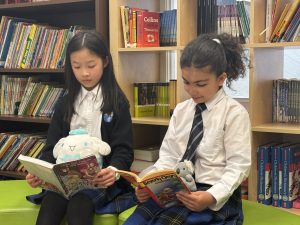
– One-on-One Guidance: Whether it’s reading support, mathematics enrichment, or language development, teachers are available to work closely with every student.
– Customized Learning Plans: Columbia Academy teachers regularly assess student progress and modify lessons to fit their pace and style.
– Faster Identification of Learning Issues: In a small class, it’s easier to recognize when a student is struggling or excelling. This allows for quicker intervention or enrichment.
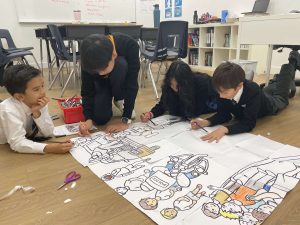
– More Active Participation: Students are encouraged to ask questions, share ideas, and participate fully in class activities without fear of being overlooked.
Academic and Emotional Advantages
The benefits of small class sizes elementary school settings go beyond academics. Emotional well-being and confidence also thrive when students feel seen and supported. Columbia Academy emphasizes this holistic approach to education, helping students build confidence, communication skills, and resilience from a young age.
Smaller class sizes also provide the opportunity to teach valuable life skills like collaboration, leadership, and accountability in a more controlled environment. Teachers can manage social dynamics better and ensure every child has a positive school experience.
Testimonials from Columbia Academy Parents
Many parents choose Columbia Academy specifically for its small class sizes. Here are a few things they’ve shared:
> “My child was always shy in large classrooms. At Columbia Academy, she blossomed. Her teacher knows her strengths and encourages her every day.”
> “We loved the personal touch Columbia Academy offers. Knowing my son is getting real attention in class gives me peace of mind.”
These testimonials reflect the widespread satisfaction among families who have witnessed the benefits of Columbia Academy’s approach.
FAQs
1. What is considered a small class size in elementary school?
Typically, anything under 20 students is considered small. Columbia Academy often maintains class sizes around 15.
2. Are small class sizes better for learning?
Yes, numerous studies confirm better academic outcomes and emotional well-being in smaller classroom environments.
3. Does Columbia Academy offer small classes for all grades?
Yes, from primary through secondary levels, Columbia Academy prioritizes low student-to-teacher ratios.
4. Do small classes limit social interaction?
Not at all. In fact, smaller classes often lead to deeper friendships and better collaboration among students.
5. How do teachers manage small classes at Columbia Academy?
They use data-driven instruction, frequent assessments, and personalized lesson plans to meet student needs.
6. Is it more expensive to attend a school with small classes?
While private education involves tuition, Columbia Academy offers scholarships and financial support to qualified families.
Final Thoughts
Small class sizes offer a powerful advantage, especially during the foundational years of a child’s education. At Columbia Academy, the commitment to intimate, focused learning environments is clear and consistent. For families seeking an elementary school that values personalized education, emotional development, and academic excellence, Columbia Academy stands out as a leader in small class sizes elementary school education.