When choosing a K–7 private school, parents should look at teaching quality, class size, curriculum, student support, school culture, and daily learning habits. The right school should help a child grow in reading, writing, math, confidence, creativity, and social skills.
Parents should also visit the school, meet the teachers, and ask clear questions. A school may look good online, but the classroom experience matters most.
What Should Parents Look for in a K–7 Private School?
Parents should compare these key areas:
- A clear and balanced curriculum
- Qualified and caring teachers
- Small class sizes
- Strong reading, writing, and math instruction
- Support for different learning needs
- Language, music, art, and physical education
- A safe and welcoming school culture
- Clear communication with parents
- Outdoor and hands-on learning
- A location and schedule that work for the family
The goal is not to find the school with the longest list of programs. It is to find a school where your child can learn, feel supported, and build good habits.
1. A Strong and Balanced Elementary Curriculum
A good elementary school should teach the main academic subjects well. It should also give children time to explore languages, art, music, movement, and the world around them.
Ask the school how it teaches:
- Reading and writing
- Mathematics
- Science
- Social studies
- Physical and health education
- Arts and music
- Languages
- Digital and practical skills
In British Columbia, the provincial curriculum includes literacy, numeracy, and three main Core Competencies: communication, thinking, and personal and social skills. Parents can review the official B.C. curriculum overview to understand what students are expected to learn.
A strong K–7 program should help children understand ideas, not only memorize facts. For example, a science lesson may include an experiment. A math lesson may ask students to explain how they found an answer.
Parents can learn more about this approach in our guide to an elementary curriculum at a leading B.C. private school.
Look for a Clear Learning Plan
Parents should ask:
- What will my child learn at each grade level?
- How does the school teach reading and math?
- How often do students receive homework?
- How does the school measure progress?
- What happens when a child needs more help?
- How are advanced students challenged?
The answers should be clear and specific. Statements such as “we support every child” are not enough without examples.
2. Small Class Sizes and Teacher Attention
Small classes can help teachers understand each child’s strengths, needs, and learning style.
In a smaller classroom, teachers may have more time to:
- Answer individual questions
- Notice learning gaps early
- Give detailed feedback
- Encourage quiet students to speak
- Adjust lessons when students need support
- Give advanced work when a student is ready
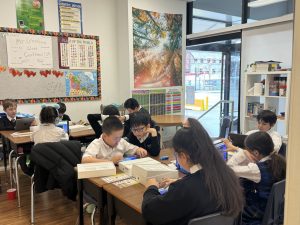
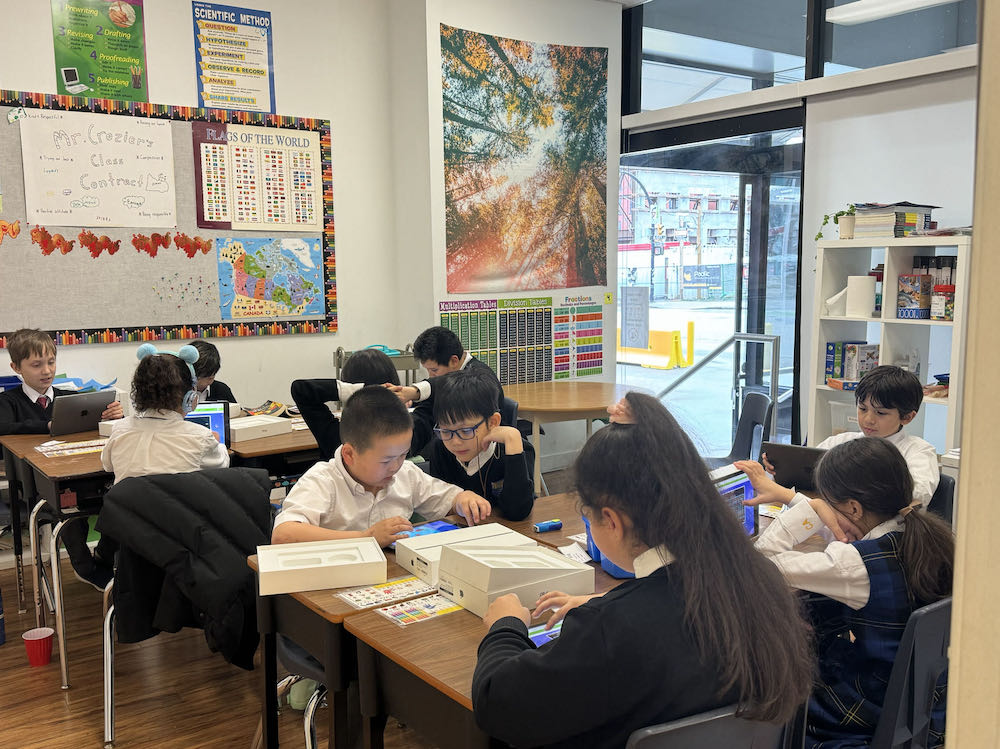
At Columbia Academy, the goal is to keep K–7 classes at no more than 15 students. This allows teachers to work closely with each learner.
For example, if a student has trouble understanding a reading passage, the teacher can review it with the student in a smaller group. If another student finishes early, the teacher can provide a more challenging task.
Class size alone does not guarantee good teaching. Parents should also ask how teachers use the smaller class setting.
3. Qualified, Caring, and Experienced Teachers
A strong teacher understands both the subject and the needs of young children.
Good elementary teachers should be able to:
- Explain ideas in simple ways
- Keep students interested
- Set clear classroom rules
- Give useful feedback
- Build student confidence
- Communicate with parents
- Support different learning levels
Parents can ask about teacher qualifications, experience, professional development, and staff turnover.
Independent schools in B.C. must follow educational standards based on their school classification. The province also conducts inspections to check that schools meet ministry requirements. Families can read about the province’s educational standards for independent schools.
During a school tour, notice how teachers speak to students. Look for classrooms where children feel comfortable asking questions and making mistakes.
4. Strong Reading and Daily Learning Habits
Reading is one of the most important skills a child develops in elementary school. It supports learning in science, math, social studies, and every other subject.
A good K–7 private school should help students:
- Read every day
- Understand what they read
- Learn new words
- Write complete sentences
- Organize ideas into paragraphs
- Speak clearly about their work
- Complete homework on time
Columbia Academy uses daily reading and homework to help students form steady study habits. The goal is not to give children busy work. The goal is to teach responsibility, focus, and regular practice.
Parents should ask how much homework is given and whether it is suitable for each age group. Young children still need time for family, play, rest, and sleep.
5. Support for ESL and Different Learning Needs
Children do not all learn in the same way or at the same speed.
Some students may need help with:
- English vocabulary
- Reading skills
- Writing
- Mathematics
- Focus and organization
- Speaking in class
- Adjusting to a new school
ESL support is especially important for students who are still developing academic English. Good support should help children take part in regular classroom learning instead of making them feel separate.
At Columbia Academy, teachers can provide direct language support within small classes. For example, an ESL student may receive help with new vocabulary before reading a science text. The student can then join the class discussion with more confidence.
Parents should ask who provides learning support, how often it is offered, and how progress is shared with families.
6. Languages, Music, and Creative Learning
Elementary school is an important time for children to discover new interests.
A balanced school should offer more than core academic subjects. Programs in languages, music, art, and performance can help children develop creativity, memory, listening skills, and confidence.
At Columbia Academy:
- French begins in Kindergarten
- Chinese begins in Kindergarten
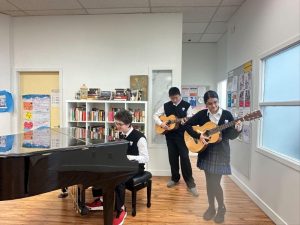
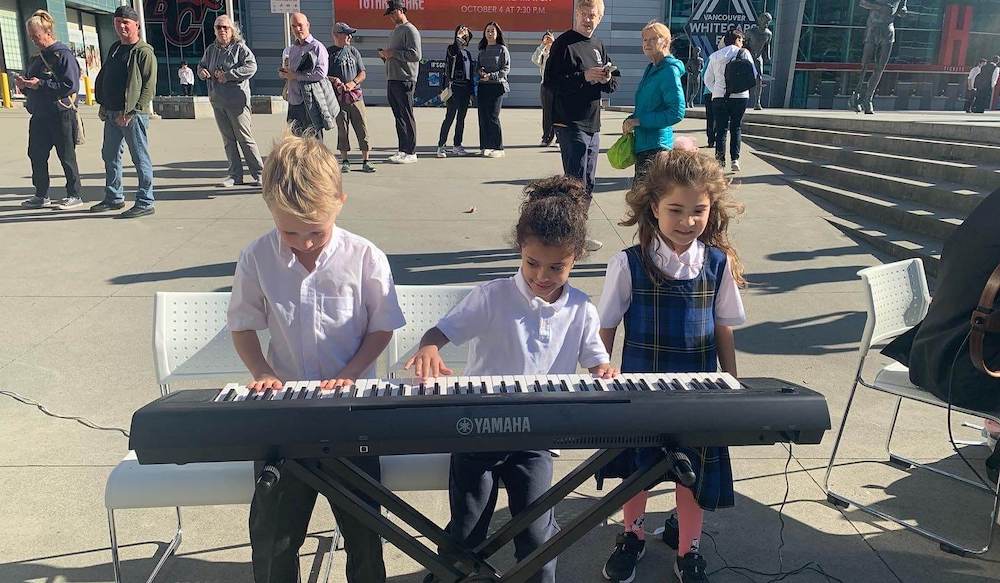
- Students learn three musical instruments starting in Kindergarten
- Art and creative activities are part of the K–7 experience
Starting early gives children time to become familiar with new sounds, skills, and ways of thinking. However, parents should ask how often these subjects are taught. A program listed on a website may only take place once in a while.
7. Outdoor Learning and Physical Activity
Children need movement, fresh air, and chances to learn outside the classroom.
Outdoor education can help students:
- Explore nature
- Use classroom ideas in real situations
- Work with classmates
- Build physical confidence
- Learn how to solve problems
- Develop care for the environment
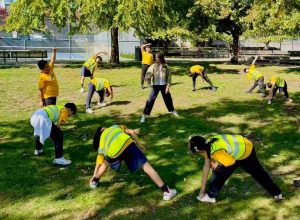
Columbia Academy includes weekly outdoor learning in its K–7 program. Activities may connect with science, physical education, teamwork, or community learning.
Parents should ask:
- How often do students learn outside?
- Where do outdoor activities take place?
- How does the school manage safety?
- Are activities suitable for the child’s age?
- Are there extra costs?
A downtown Vancouver school can still provide outdoor learning by using local parks, community spaces, walking trips, and planned field experiences.
8. Student Well-Being and School Culture
Children learn better when they feel safe, calm, respected, and included.
Parents should look for a school culture that teaches:
- Kindness
- Respect
- Responsibility
- Teamwork
- Self-control
- Healthy ways to solve problems
Columbia Academy includes meditation and yoga to help K–7 students practise focus and mindfulness. These activities can give children simple ways to slow down, pay attention, and manage strong feelings.
This does not mean children will never have problems. Conflict, frustration, and mistakes are normal parts of growing up. What matters is how the school responds.
Ask the school how it handles:
- Bullying
- Classroom conflict
- Student stress
- Behaviour concerns
- Communication with parents
The school should have clear rules and a fair process.
9. Activities and Learning Beyond the Classroom
Activities outside regular lessons can help students discover their interests and connect with others.
Look for age-appropriate opportunities such as:
- Clubs
- Sports
- Music
- Art
- School performances
- Field trips
- Community projects
- Charity activities
- After-school programs
Columbia Academy offers after-school activities for students in Grades 4–7. Younger students can also access after-school care.
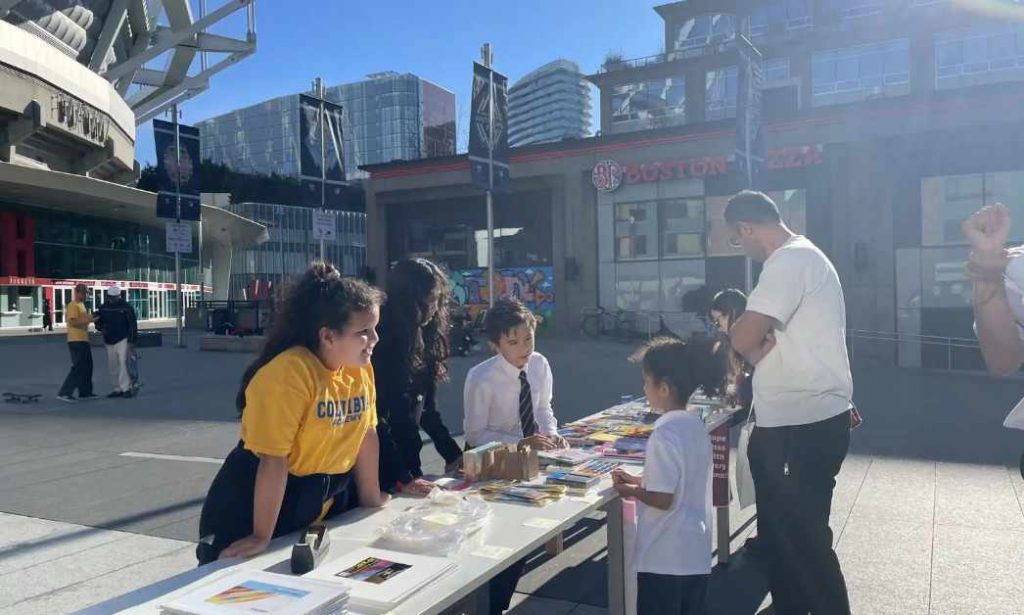
Students may take part in field trips, creative projects, and community activities. These experiences help children practise communication and teamwork in real situations.
When comparing programs, parents can also read our guide to the best private elementary schools in Vancouver and what parents should compare.
10. Clear Communication With Parents
Parents and teachers should work together.
A good school should explain:
- What the child is learning
- How the child is progressing
- Where the child needs support
- What families can practise at home
- When important events will happen
B.C.’s student reporting approach treats learning as an ongoing process. Reports should help parents understand a child’s progress rather than only show a final mark.
Parents should ask how the school communicates. This may include:
- Report cards
- Parent-teacher meetings
- Email updates
- School portals
- Phone calls
- Meetings when concerns arise
Communication should be regular, clear, and respectful. Parents should not have to wait until the end of the term to learn that their child is struggling.
11. A Safe and Practical Location
A school may offer a strong program, but the daily schedule must also work for the family.
Consider:
- Travel time
- Public transit
- Drop-off and pickup
- School hours
- After-school care
- Building safety
- Access to parks and community spaces
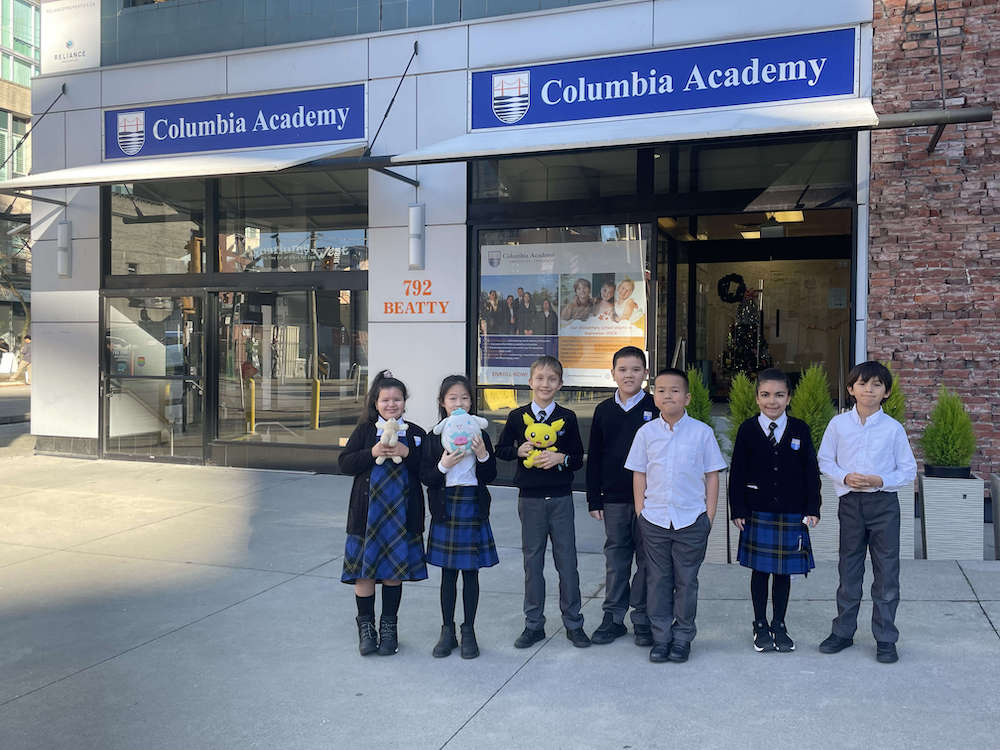
Columbia Academy’s Yaletown Campus is located at 792 Beatty Street in downtown Vancouver. The central location is close to public transit and can be convenient for families who live or work in Vancouver.
Parents should visit during normal travel hours. A route that looks easy on a map may feel different during the morning commute.
[Image Alt Text: Columbia Academy Yaletown K–7 campus in downtown Vancouver]
12. School Registration and B.C. Standards
Parents should confirm that the school is properly certified and follows B.C. education requirements.
Columbia Academy is a private K–12 school in downtown Vancouver and is certified by the B.C. Ministry of Education and Child Care. It serves local and international students.
B.C. independent schools give families different educational choices, but they must still meet requirements connected to their classification. The provincial government conducts inspections and sets rules for curriculum, reporting, facilities, and school operations.
Parents should ask the school to explain:
- Its independent school classification
- The curriculum it follows
- Teacher qualifications
- Student progress reporting
- Safety policies
- Tuition and extra fees
A trustworthy school should answer these questions clearly.
Questions to Ask During a Private School Tour
Bring a short list of questions when visiting a school.
| Area | Question to Ask |
|---|---|
| Curriculum | What will my child learn at this grade level? |
| Class size | What is the maximum number of students per class? |
| Teachers | What qualifications and experience do teachers have? |
| Support | How do you help students who are struggling? |
| ESL | What support is available for English learners? |
| Homework | How much homework is given each day? |
| Activities | Which programs are included in tuition? |
| Communication | How will I learn about my child’s progress? |
| Safety | How does the school handle bullying and emergencies? |
| Admissions | How many seats are available for this grade? |
Listen for specific answers and real examples. A school should be willing to explain both its strengths and its expectations.
Frequently Asked Questions
How do I choose a K–7 private school in Vancouver?
Start by comparing the curriculum, class size, teachers, student support, school culture, location, and tuition. Visit each school and ask how its daily program would support your child’s needs.
What questions should parents ask a private elementary school?
Ask about class size, teaching methods, homework, learning support, ESL help, activities, safety, parent communication, tuition, and extra fees. You should also ask to see a normal classroom.
Are small classes better for elementary students?
Small classes may give teachers more time to answer questions, notice learning needs, and provide individual feedback. However, teaching quality and classroom organization are also important.
What makes a good private elementary school in Vancouver?
A good private elementary school in Vancouver combines strong academics with caring teachers, clear communication, student support, creative learning, physical activity, and a safe school culture.
Does a private school have to follow the B.C. curriculum?
B.C. independent schools must meet educational standards based on their official classification. Parents should ask each school which curriculum requirements apply and how the program is inspected.
When should parents apply to a K–7 private school?
Parents should apply as early as possible, especially for Kindergarten and grades with limited space. Application dates and available seats are different at each school.
Final Answer: What Should Parents Look for in a K–7 Private School?
When choosing a K–7 private school, parents should look for strong teaching, small classes, a balanced curriculum, learning support, clear communication, and a safe school culture.
The best choice is a school that fits the child, not only the parent’s checklist. Visit the classrooms. Meet the teachers. Ask how the school helps students who need support and how it challenges students who are ready for more.
Columbia Academy offers a structured K–7 program for local and international students at its Yaletown Campus in downtown Vancouver. The program includes small classes, daily reading and homework, French and Chinese from Kindergarten, three musical instruments, weekly outdoor learning, and meditation and yoga.
Seats are limited, and some grades may fill early. Families should begin the application process early and allow time for a school visit and student assessment.
Learn more about Columbia Academy’s K–7 private elementary school program and decide whether the learning environment is right for your child.